

Painful, rough or stubborn spots on the sole of your foot?
If you’ve noticed a rough, grainy or painful spot on the bottom of your foot or toes, you may be dealing with a plantar wart. Plantar warts are common skin lesions that can develop on the feet and can sometimes feel like you are walking on a small stone.
For some people, plantar warts are only a minor concern. For others, they can become painful, spread, or make walking and standing uncomfortable.
Our experienced podiatrists can assess the area, confirm whether it is likely to be a plantar wart and guide you through treatment options suited to your needs.
Book an appointment today and take the first step towards more comfortable feet.


Does This Sound Familiar?
You may be dealing with a plantar wart if you’ve noticed:
- A rough or grainy lesion on the foot
- Pain or tenderness when walking or standing
- A hard area that looks similar to a callus
- Small dark dots within the lesion
- One wart or a cluster of smaller warts
- A spot that keeps returning or slowly spreading
- Pain when pressure is applied from the sides
Not every hard or painful spot on the foot is a wart, which is why an accurate podiatry assessment is the best place to start.
If you have diabetes, poor circulation, reduced sensation or a weakened immune system, it is important to seek professional advice before using wart treatments at home.
What Are Plantar Warts?
Plantar warts are skin growths caused by the human papillomavirus, commonly known as HPV. The virus can enter the skin through tiny cracks, cuts or weakened areas, particularly on the soles of the feet.
When plantar warts are exposed to pressure from standing and walking, they can feel painful or tender. Plantar warts may be linked to:
- Walking barefoot in shared wet areas
- Minor cuts or breaks in the skin
- Sweaty or damp feet
- Direct contact with the virus
- Shared towels, footwear or surfaces
- Reduced immune response
- Pressure from walking or standing
The good news is that plantar warts can often be managed with professional care, pressure relief and a treatment plan suited to the size, location and persistence of the wart.

Your Treatment Journey
Assessment
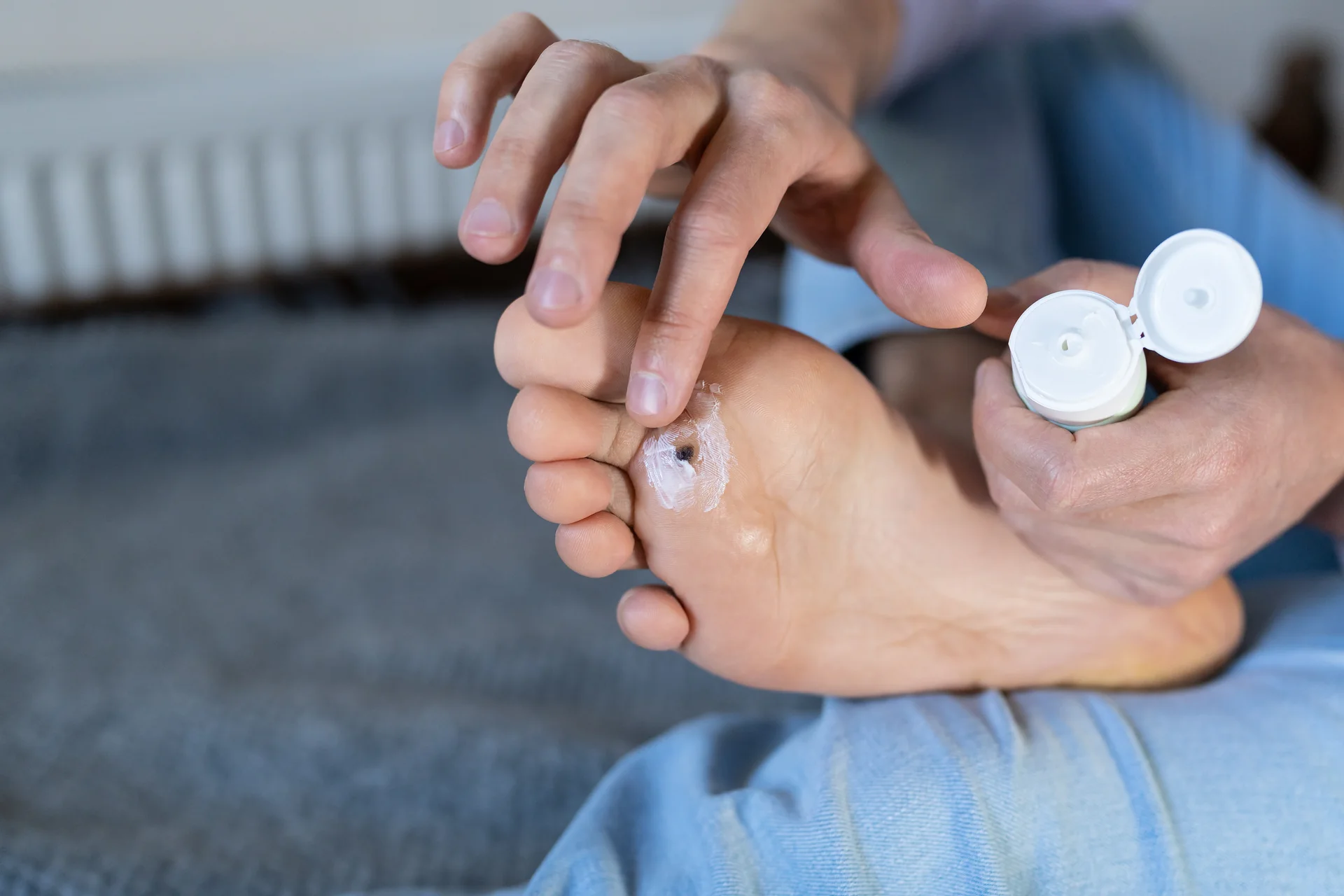
We’ll take the time to understand your symptoms, how long the lesion has been present, whether it has changed, and how it is affecting your walking or footwear comfort.
Diagnosis
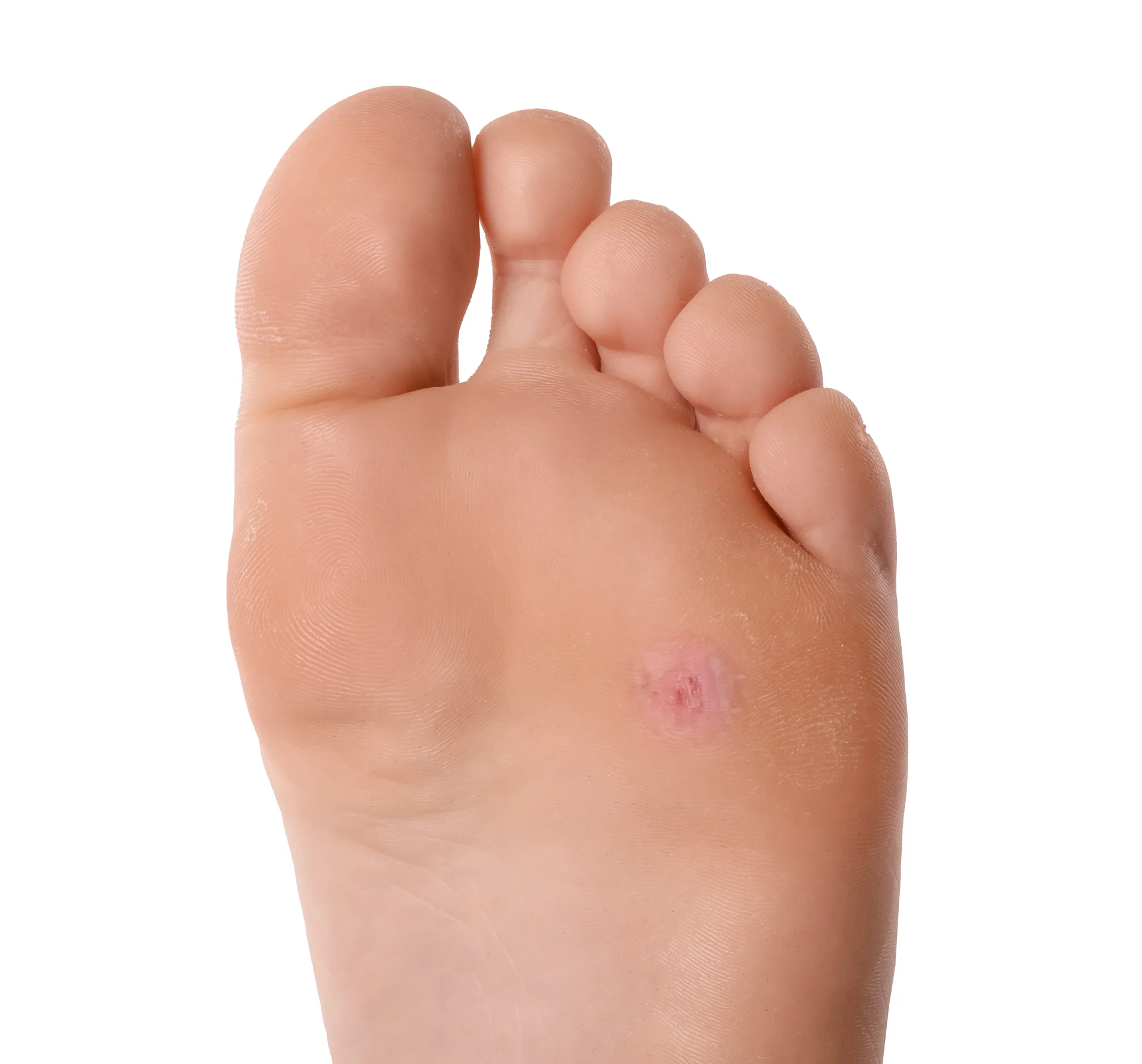
Our podiatrists will assess the area to determine whether it is likely to be a plantar wart or another concern, such as a corn, callus or pressure-related skin change.
Treatment Plan

We’ll explain your treatment options clearly and recommend an approach based on the wart’s size, location, symptoms, your medical history and your individual needs.
Prevention Advice
You’ll receive practical advice to help reduce the risk of spreading the wart to other areas of your feet or to other people.
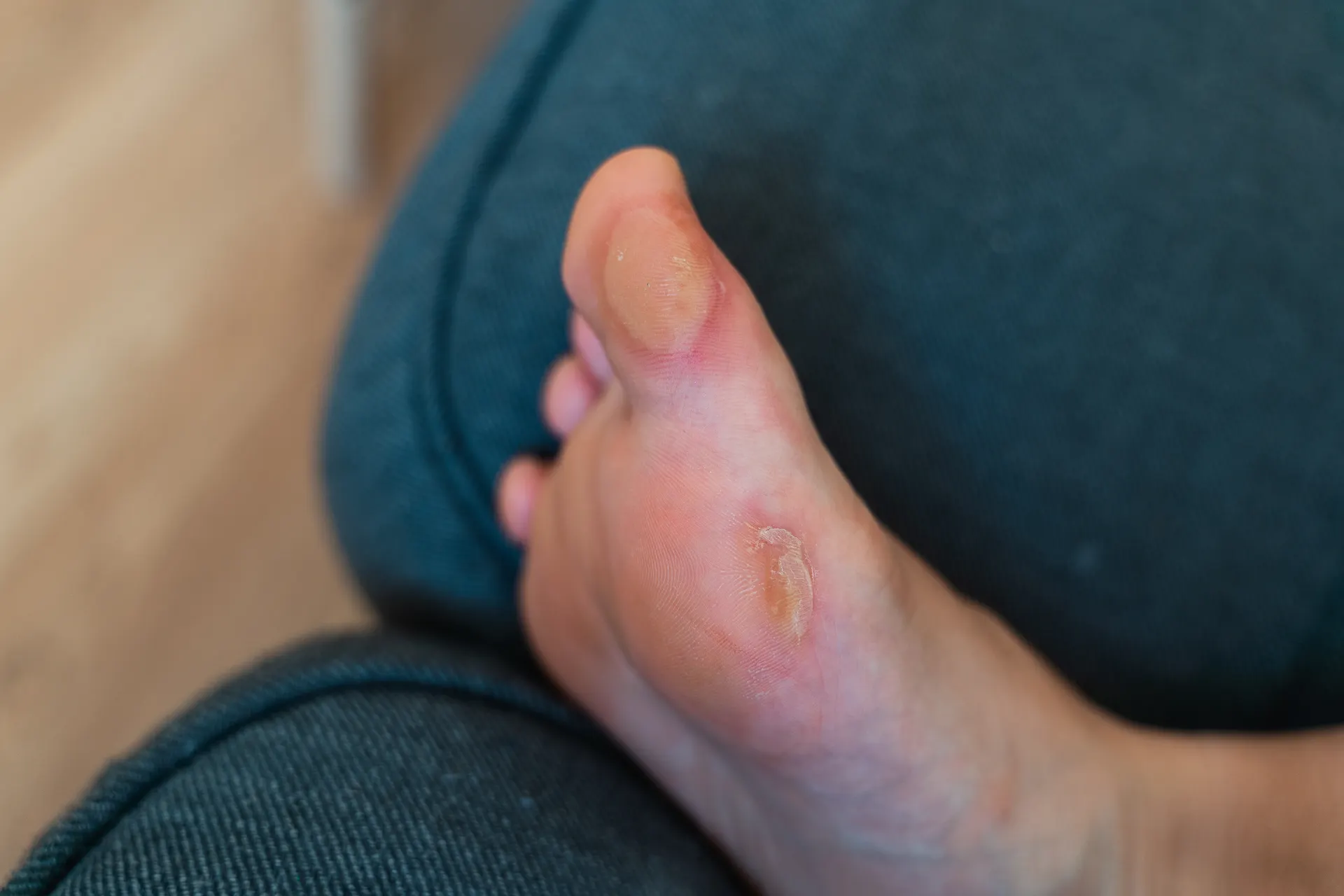
Treatment Options for Plantar Warts
There is no one-size-fits-all approach to plantar wart treatment. Depending on your symptoms and circumstances, treatment may include:
- Professional reduction of overlying hard skin where appropriate
- Clinical topical wart treatments where suitable
- Padding or offloading to reduce pressure and discomfort
- Footwear advice to reduce irritation over the area
- Advice on keeping the area covered where needed
- Guidance on reducing the risk of spreading the wart
- Referral for further treatment if required
- Ongoing monitoring and review
For some stubborn or recurring plantar warts, your podiatrist may discuss more advanced treatment options. These are considered carefully and depend on your symptoms, medical history, comfort level and how the wart has responded to previous care.
Our goal is to recommend the most appropriate and practical solution for you, while helping reduce discomfort, manage pressure and support healthier skin.
Why Choose Port Stephens Podiatry?
We understand that plantar warts can be frustrating, especially when they become painful, keep returning or make you feel uncomfortable showing your feet. Our team provides a welcoming, professional and supportive environment where your concerns are listened to carefully.
Every patient receives:
- A thorough assessment
- Clear explanations and practical advice
- Personalised treatment recommendations
- Pressure-relief and footwear guidance
- Prevention advice to reduce spread
- Ongoing support throughout their treatment journey
We're here to help you understand what may be causing your foot discomfort and guide you towards a treatment plan that suits your needs.
Trusted Local Podiatry Care
Our team provides podiatry services to patients throughout Port Stephens, including:
- Nelson Bay
- Salmander Bay
- Shoal Bay
- Corlette
- Anna Bay
- Fingal Bay
We are committed to providing evidence-based podiatry care, practical treatment recommendations and personalised support to help our patients achieve the best possible outcomes.
- Qualified Podiatrists
- Experienced Team
- Evidence-Based Care
- Treatment Plans
Frequently Asked Questions
What are the signs of a plantar wart?
Common signs include a rough or grainy lesion on the foot, tenderness when walking, small dark dots within the lesion and pain when pressure is applied to the area.
What causes plantar warts?
Plantar warts are caused by HPV. The virus can enter through small breaks in the skin and may spread through direct contact or shared surfaces, especially in warm, damp environments.
Are plantar warts contagious?
Yes, plantar warts can spread from person to person or from one area of the foot to another. Keeping the area covered, avoiding picking at the wart and wearing footwear in shared wet areas may help reduce spread.
Can a plantar wart look like a callus or corn?
Yes. Plantar warts can sometimes look like corns or calluses because hard skin may build up over the top. A podiatry assessment can help identify the difference.
Will a plantar wart go away by itself?
Some warts may resolve over time, but this can take a long period and they may become painful or spread. Treatment may be recommended if the wart is uncomfortable, persistent or affecting walking.
What treatments are available for plantar warts?
Treatment may include professional reduction of hard skin, clinical topical treatments where suitable, padding, pressure relief, guidance on reducing spread, ongoing monitoring or referral for further care if needed.
Is plantar wart treatment painful?
This depends on the type of treatment and the sensitivity of the area. Your podiatrist will explain what to expect and recommend an approach suited to your comfort and clinical needs.
Can plantar warts come back?
Yes, plantar warts can sometimes return, especially if the virus remains in the skin or if there is ongoing exposure. Prevention advice and follow-up care can help reduce the risk.
When should I see a podiatrist for a plantar wart?
You should consider seeing a podiatrist if the wart is painful, spreading, difficult to identify, not improving, affecting walking, or if you have diabetes, poor circulation, reduced sensation or immune system concerns.
Patient Reviews
“Professional, caring and thorough. The team explained everything clearly and helped me understand my treatment options.“
“Friendly staff and excellent care. I felt comfortable from my first appointment.“
“I highly recommend it. The team took the time to listen, explain everything clearly and put together a treatment plan that worked for me.“
Ready to Get Help With Plantar Warts?
If a plantar wart is making it painful to walk, stand or wear shoes comfortably, our team is here to help. We’ll assess what’s happening, explain your options clearly and work with you to find the most appropriate treatment plan.
Book an appointment today and let us help you take the first step towards more comfortable feet.