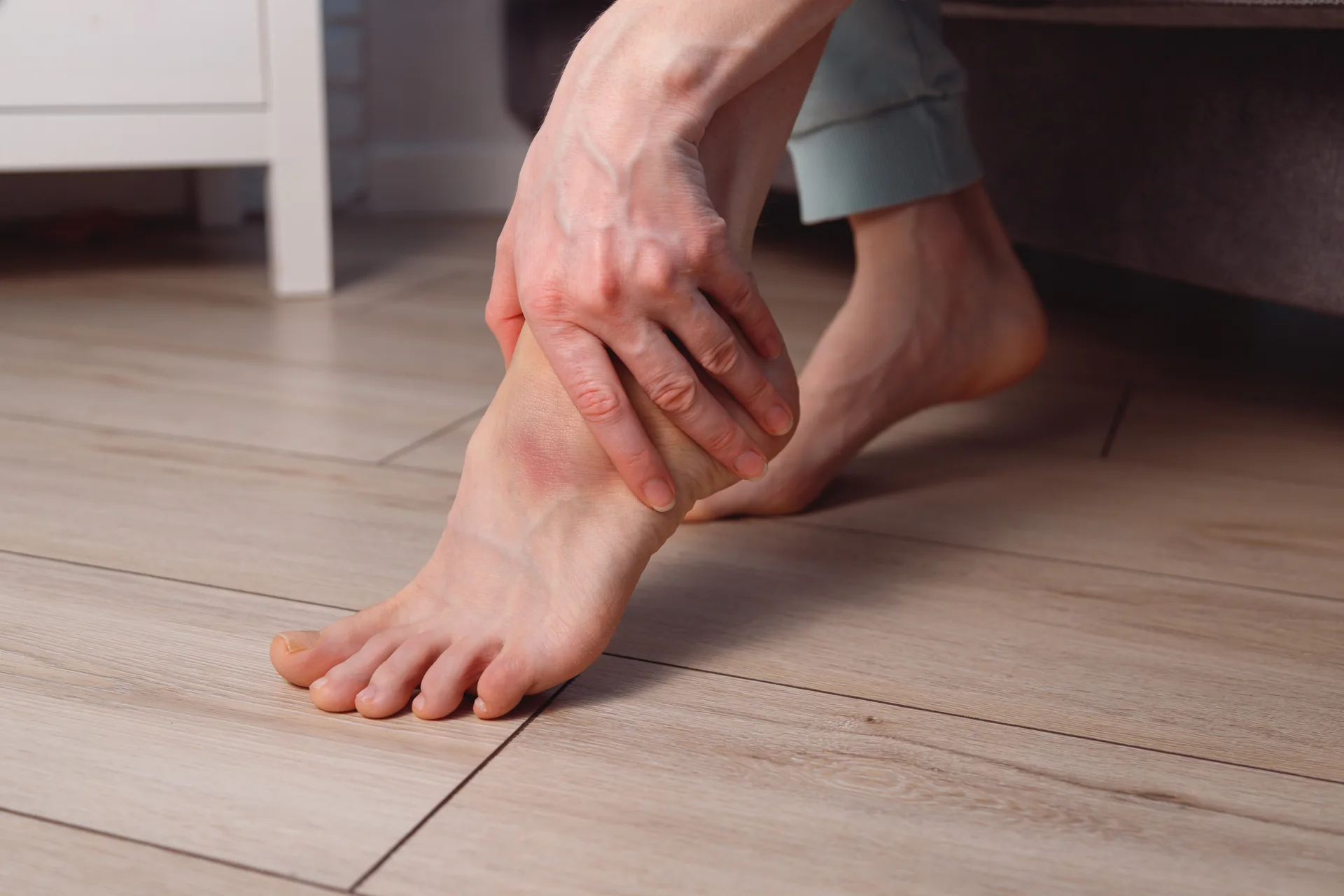

Pain under your heel or discomfort when you take your first steps?
If you’re feeling pain under your heel, around the back of your heel or through the arch of your foot, you may be dealing with a common heel pain condition such as plantar fasciitis, Achilles-related pain or another pressure-related issue.
Heel pain can make walking, standing, exercising or getting through the day more uncomfortable. For some people, it is worse first thing in the morning. For others, it builds after long periods on their feet.
Our experienced podiatrists can assess your symptoms, identify what may be contributing to your heel pain and guide you through treatment options to help support your recovery.
Book an appointment today and take the first step towards more comfortable movement.
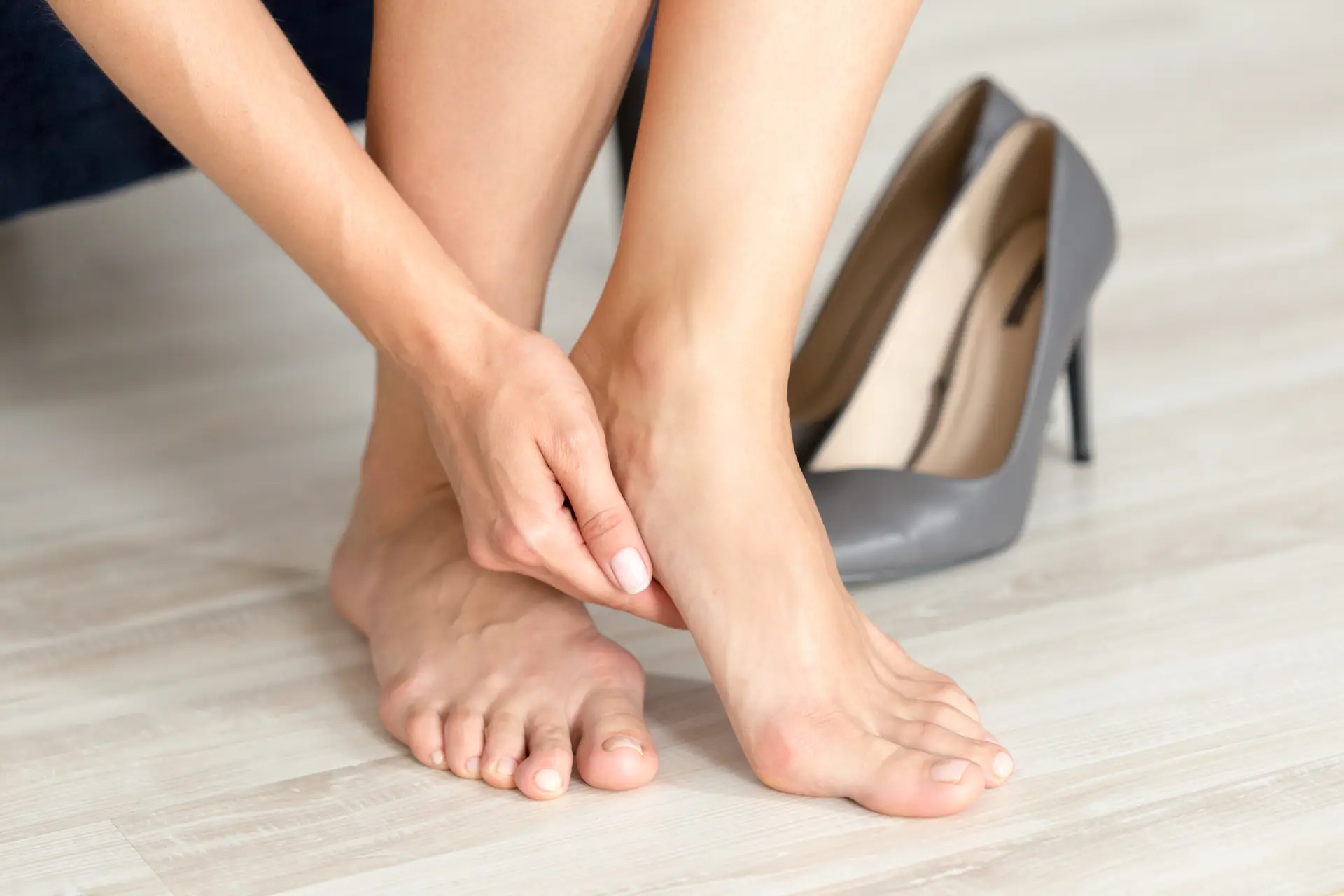
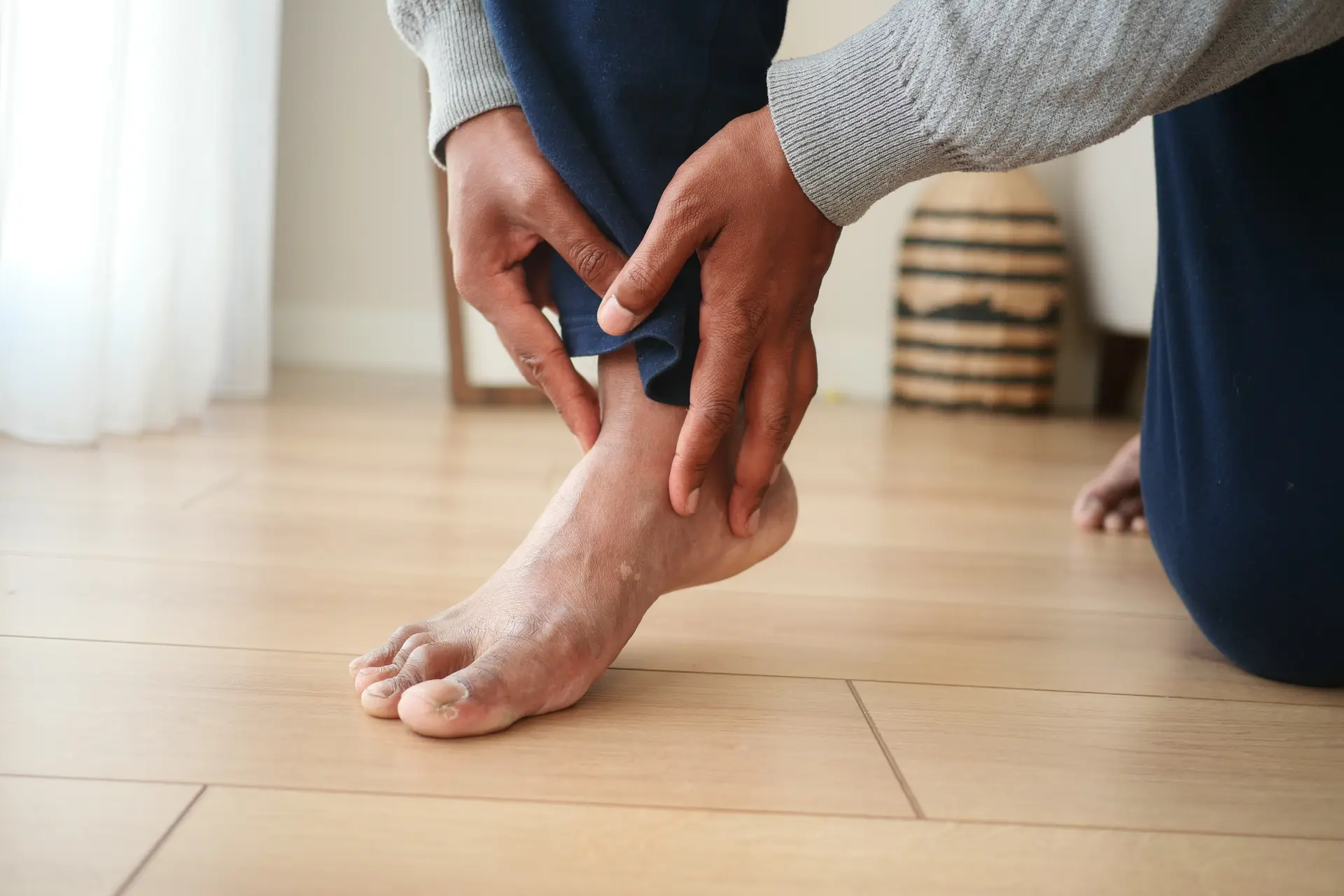
Does This Sound Familiar?
You may be dealing with heel pain if you’ve noticed:
- Pain under the heel when standing or walking
- Sharp pain during your first steps in the morning
- Discomfort after sitting or resting
- Pain that builds after long periods on your feet
- Heel pain after running, sport or exercise
- Tenderness through the arch or bottom of the foot
- Pain around the back of the heel or Achilles area
- Difficulty wearing certain shoes comfortably
- Heel pain that keeps returning despite rest
Not all heel pain is caused by plantar fasciitis, which is why an accurate podiatry assessment is the best place to start.
If you experience sudden severe pain, swelling, bruising, inability to put weight on your foot or pain after an injury, you should seek urgent medical advice.
What Is Heel Pain?
Heel pain is a common foot concern that can develop when the tissues around the heel, arch or back of the foot become irritated, overloaded or placed under repeated strain.
One common cause of heel pain is plantar fasciitis, which affects the plantar fascia. This is the band of tissue that runs along the bottom of the foot and helps support the arch. When this tissue becomes irritated or overloaded, it can cause pain under the heel, especially after rest or during the first steps of the day. Heel pain may also be linked to:
- Achilles tendon irritation
- Medial calcaneal nerve entrapment
- Fat pad irritation
- Foot posture or walking pattern
- Tight calf muscles
- Sudden increases in activity
- Unsupportive footwear
- Standing or walking for long periods
- Running or jumping on hard surfaces
- Pressure from work, sport or daily activity
The good news is that many cases of heel pain can be managed with the right assessment, footwear advice, load management, exercises and a treatment plan suited to your individual needs.
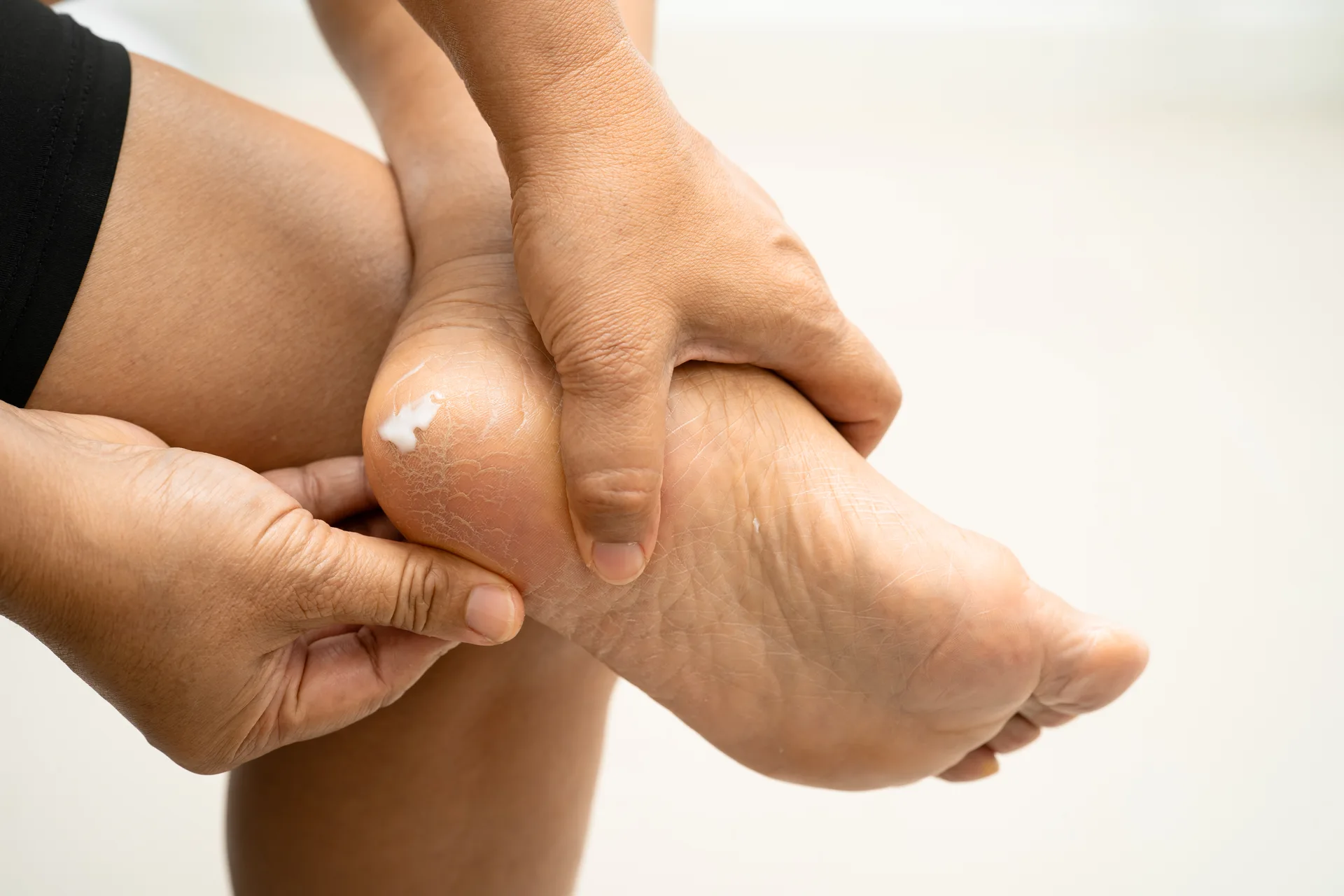
Your Treatment Journey
Assessment
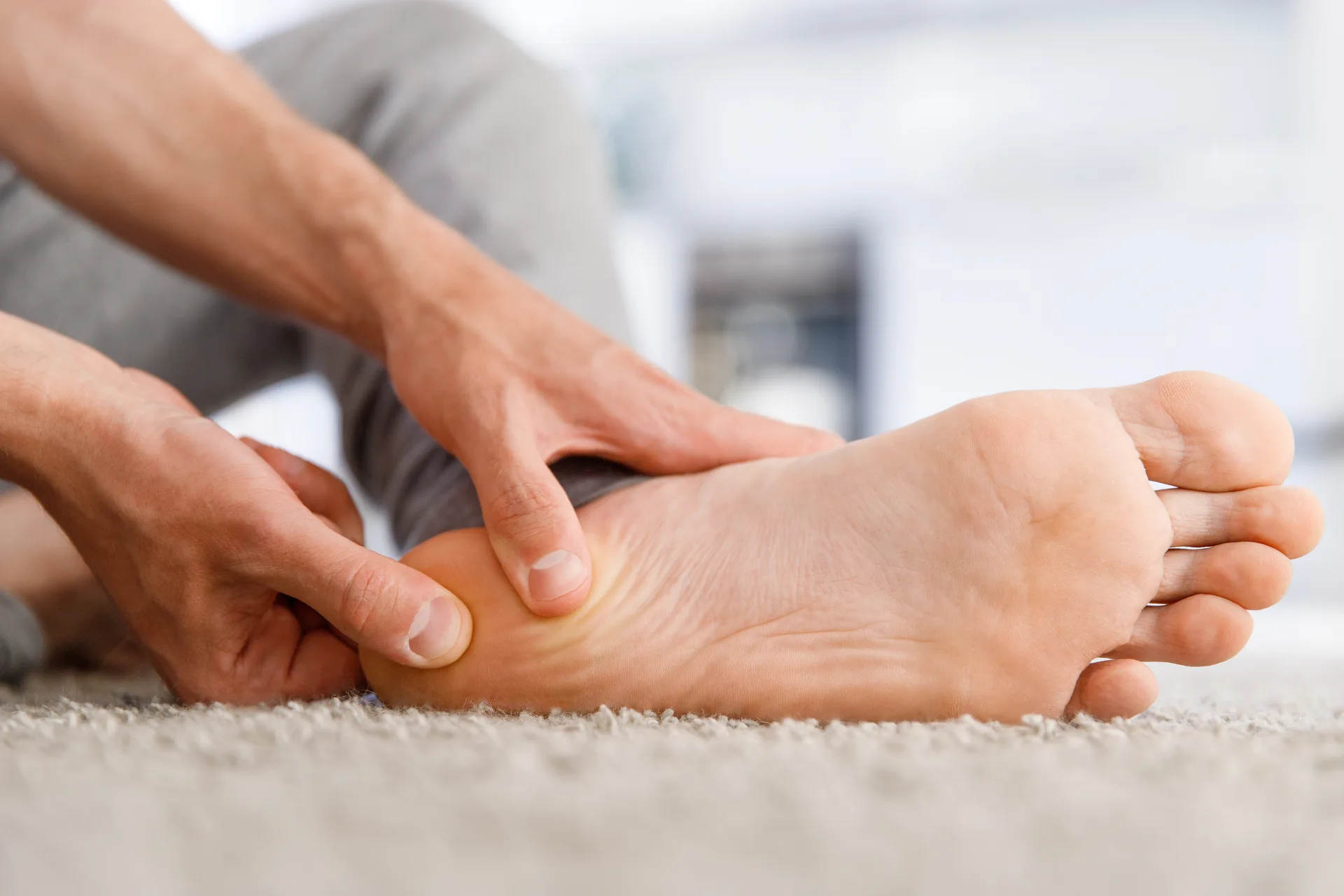
We’ll take the time to understand your symptoms, footwear, activity levels, medical history and how heel pain is affecting your daily movement.
Diagnosis
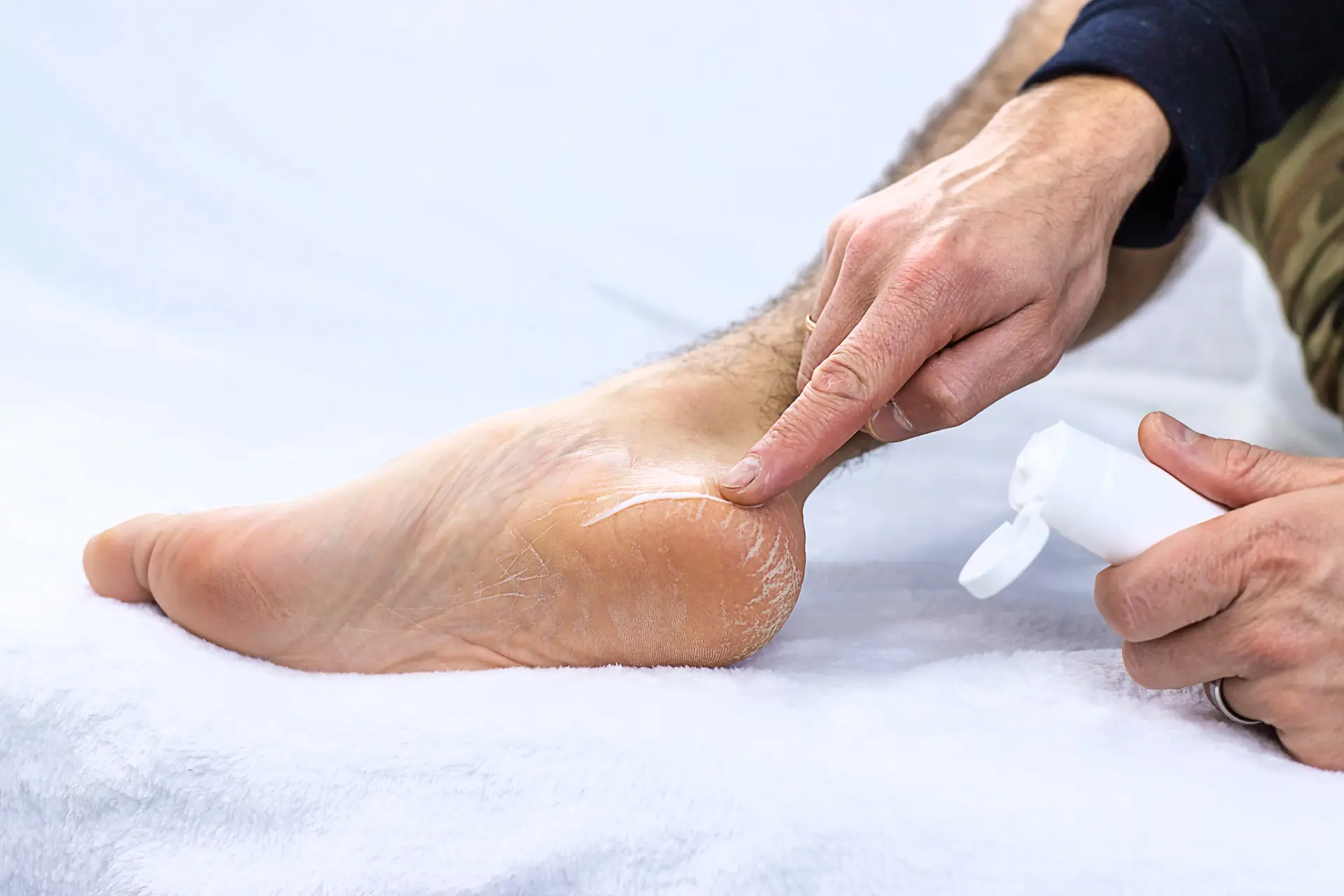
Our podiatrists will assess your heel, arch, ankle movement, foot posture, walking pattern and pressure areas to help identify what may be contributing to your pain.
Treatment Plan
We’ll explain your treatment options clearly and recommend an approach based on your symptoms, lifestyle, activity goals and the severity of your heel pain.
Prevention Advice
You’ll receive practical advice to help reduce strain on the heel, support better foot comfort and lower the risk of the pain returning.
Treatment Options for Heel Pain
There is no one-size-fits-all approach to heel pain treatment. Depending on your symptoms and circumstances, treatment may include:
- Advice on reducing or modifying activities that aggravate your heel pain
- Stretching and strengthening exercises for the calf, foot and arch
- Footwear recommendations to improve support and cushioning
- Taping or strapping for short-term support
- Custom orthoses where foot mechanics are contributing to strain
- Advice on gradually returning to walking, running or sport
- Management of pressure areas or hard skin where needed
- Ongoing monitoring and review
- Referral for imaging or further medical care if required
Our goal is to recommend the most appropriate and practical solution for you, while helping reduce discomfort, improve function and support your return to normal activities.
Why Choose Port Stephens Podiatry?
We understand that heel pain can be frustrating, especially when it affects your ability to walk, work, exercise or enjoy your normal routine. Our team provides a calm, professional and supportive environment where your symptoms are taken seriously.
Every patient receives:
- A thorough assessment
- Clear explanations and practical advice
- Personalised treatment recommendations
- Footwear and pressure-relief guidance
- Support with exercises and activity management
- Ongoing support throughout their treatment journey
We're here to help you understand what may be causing your heel pain and guide you towards a treatment plan that suits your needs.
Trusted Local Podiatry Care
Our team provides podiatry services to patients throughout Port Stephens, including:
- Nelson Bay
- Salmander Bay
- Shoal Bay
- Corlette
- Anna Bay
- Fingal Bay
We are committed to providing evidence-based podiatry care, practical treatment recommendations and personalised support to help our patients achieve the best possible outcomes.
- Qualified Podiatrists
- Experienced Team
- Evidence-Based Care
- Treatment Plans
Frequently Asked Questions
What causes heel pain?
Heel pain can be caused by plantar fasciitis, Achilles tendon irritation, medial calcaneal nerve entrapment, fat pad irritation, tight calf muscles, foot posture, footwear, sudden activity changes or repeated pressure on the heel.
Is plantar fasciitis the same as heel pain?
Plantar fasciitis is one of the most common causes of heel pain, but not all heel pain is plantar fasciitis. A podiatry assessment can help identify the likely cause of your symptoms.
Why is heel pain worse in the morning?
Heel pain can feel worse in the morning because the tissues around the foot and heel may tighten during rest. The first few steps can place sudden load through the heel and arch.
Will heel pain go away by itself?
Some mild heel pain may settle with rest, footwear changes and activity modification. Ongoing or recurring heel pain often needs proper assessment and a treatment plan to address the cause.
Can orthotics help with heel pain?
Orthotics may help if your foot posture, walking pattern or pressure distribution is contributing to your heel pain. Your podiatrist will assess your feet and recommend orthotics only if they are suitable for your condition.
What shoes are best for heel pain?
Supportive shoes with cushioning, good fit and appropriate arch support are often more comfortable for heel pain. Very flat, unsupportive or worn-out shoes may increase strain for some people.
Should I keep exercising with heel pain?
You may need to reduce or modify activities that increase your pain. Your podiatrist can guide you on what to avoid, what may be safe to continue and how to return to activity gradually.
When should I see a podiatrist for heel pain?
You should consider seeing a podiatrist if your heel pain is ongoing, worsening, affecting your walking, returning after rest, or stopping you from working, exercising or doing normal activities comfortably.
Patient Reviews
“Professional, caring and thorough. The team explained everything clearly and helped me understand my treatment options.“
“Friendly staff and excellent care. I felt comfortable from my first appointment.“
“I highly recommend it. The team took the time to listen, explain everything clearly and put together a treatment plan that worked for me.“
Ready to Move More Comfortably Again?
If heel pain is making it harder to walk, work, exercise or enjoy your normal routine, our team is here to help. We’ll assess what’s happening, explain your options clearly and work with you to find the most appropriate treatment plan.
Book an appointment today and let us help you take the first step towards more comfortable movement.