

Thickened, discoloured or damaged nails?
If you’ve noticed changes to the appearance of your nails, you’re not alone. Fungal nail infections are a common condition that can affect people of all ages and often become more noticeable over time.
Whether your nails have become thicker, brittle, yellow or difficult to manage, our experienced podiatrists can help identify the cause and guide you through the treatment options available.
Book an appointment today and take the first step towards healthier nails.
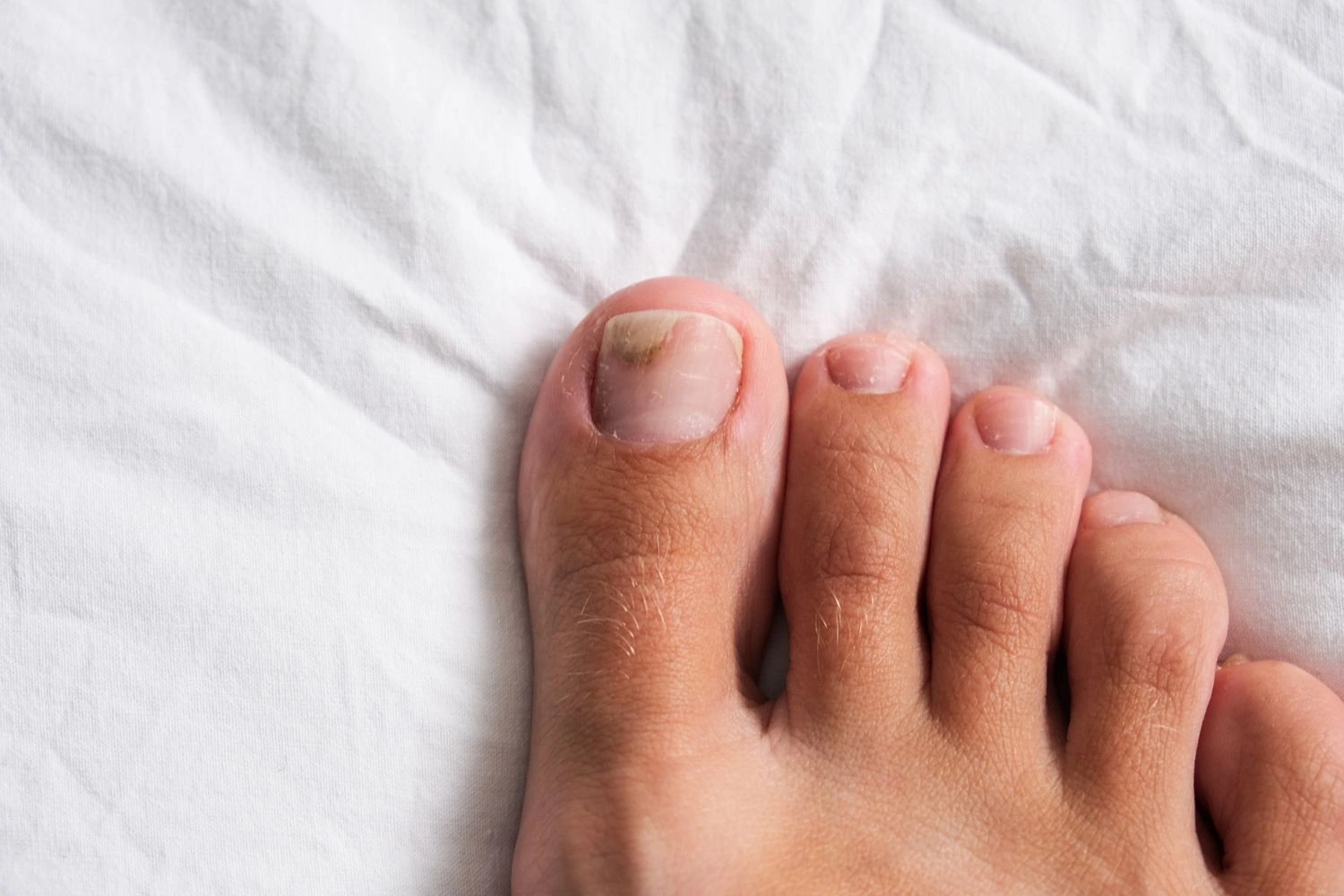

Does this sound familiar?
You may be dealing with a fungal nail infection if you’ve noticed:
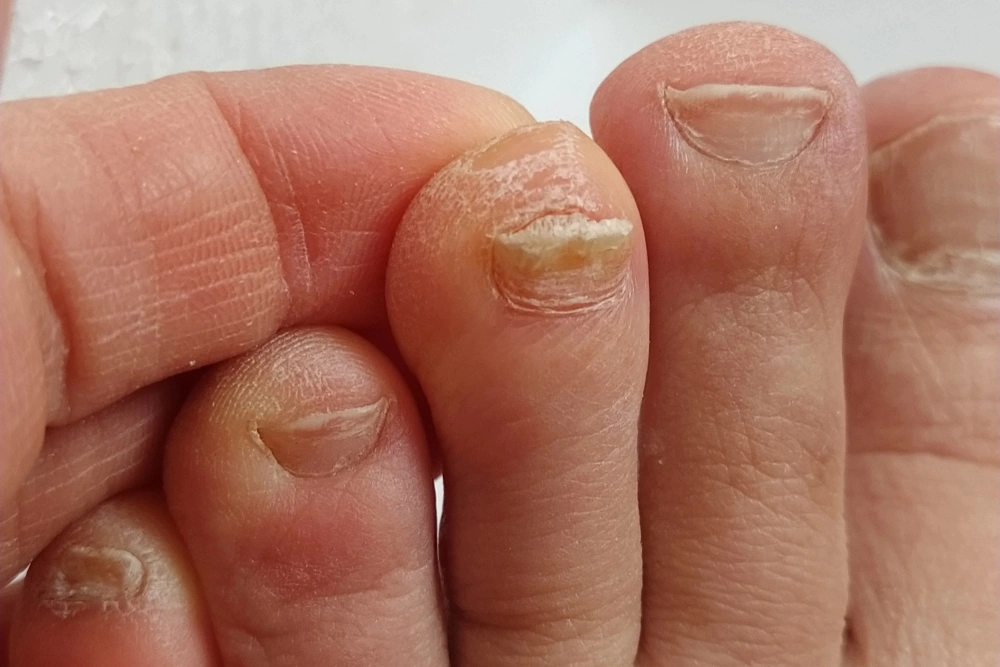
- Thickened or difficult-to-cut nails
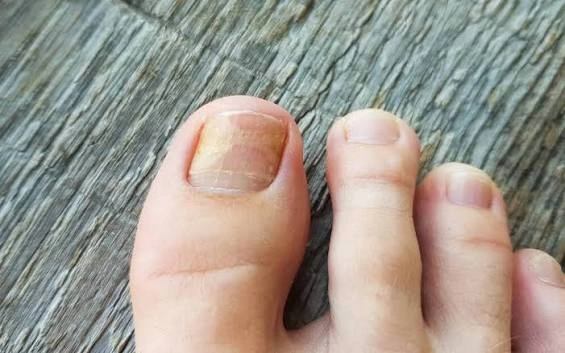
- Yellow, white or brown discolouration
- Nails that are brittle, flaky or crumbly
- Part of the nail lifting away from the nail bed
- Changes that seem to be slowly getting worse over time
- Embarrassment wearing sandals or showing your feet
Not every damaged nail is fungal, which is why an accurate assessment is the best place to start.
What is a fungal nail infection?
A fungal nail infection occurs when microscopic fungi enter the nail through tiny cracks or damage in the nail or surrounding skin. Once established, the infection can slowly spread, causing the nail to become thicker, discoloured and distorted.
Many people assume the nail will simply grow out or improve on its own, but fungal infections often persist without treatment and may spread to other nails or even other members of the household.
The good news is that there are a range of effective treatment options available, and the earlier the problem is identified, the easier it can be to manage.
Your Treatment Journey
Assessment

We’ll take the time to understand your symptoms, medical history and any concerns you may have about changes to your nails.
Diagnosis

Our podiatrists will assess your nails and determine whether the changes are likely to be caused by a fungal infection or another underlying condition.
Treatment Plan

We’ll explain your treatment options clearly and recommend the most appropriate approach based on your individual circumstances.
Prevention Advice
You’ll receive practical advice to help reduce the risk of future infections and support long-term nail health.
Treatment options for fungal nails
There is no one-size-fits-all approach to fungal nail treatment. Depending on your circumstances, treatment may include:
- Professional reduction and thinning of thickened nails
- Guidance on effective topical antifungal treatments
- Advice regarding oral antifungal medication where appropriate
- Ongoing monitoring and management
- Education to help prevent the infection returning
Our goal is to recommend the most appropriate and practical solution for you, while giving you the best chance of long-term improvement.
Why choose Port Stephens Podiatry?
We understand that fungal nail infections can be frustrating and sometimes embarrassing, but they’re also incredibly common. Our team provides a welcoming, judgement-free environment where you can feel comfortable discussing any concerns about your feet.
Every patient receives:
- A thorough assessment
- Clear explanations and practical advice
- Personalised treatment recommendations
- Ongoing support throughout their treatment journey
We're here to help you improve the health and appearance of your nails while making the process as simple and stress-free as possible.
Trusted Local Podiatry Care
Our team provides podiatry services to patients throughout Port Stephens, including:
- Nelson Bay
- Salmander Bay
- Shoal Bay
- Corlette
- Anna Bay
- Fingal Bay
We are committed to providing evidence-based podiatry care, practical treatment recommendations and personalised support to help our patients achieve the best possible outcomes.
- Qualified Podiatrists
- Experienced Team
- Evidence-Based Care
- Treatment Plans
Frequently Asked Questions
What are the signs of a fungal nail infection?
Common signs include thickened nails, brittle or crumbly nails, lifting of the nail plate and changes to the nail’s overall shape.
Will a fungal nail infection go away by itself?
In most cases, fungal nail infections do not resolve without treatment and may gradually worsen over time.
How do you know if my nail is actually fungal?
Many nail conditions can look similar. A podiatry assessment helps determine whether the changes are caused by a fungal infection or another underlying issue.
How long does treatment take?
Treatment times vary depending on the severity of the infection and the approach used. Because nails grow slowly, it can take several months before healthy new nail growth becomes visible.
Can fungal nail infections spread?
Yes. Fungal infections can spread to other nails and, in some cases, to other people through shared surfaces or contaminated footwear and nail equipment.
How can I reduce the risk of it coming back?
Good foot hygiene, keeping nails trimmed, wearing breathable footwear and avoiding the sharing of nail equipment can all help reduce the risk of reinfection.
Patient Reviews
“Professional, caring and thorough. The team explained everything clearly and helped me understand my treatment options.“
“Friendly staff and excellent care. I felt comfortable from my first appointment.“
“I highly recommend it. The team took the time to listen, explain everything clearly and put together a treatment plan that worked for me.“
Ready to get your nails back on track?
If you’re concerned about changes to your nails, our team is here to help. We’ll assess what’s happening, explain your options clearly and work with you to find the most appropriate treatment plan.
Book an appointment today and let us help you take the first step towards healthier feet.