

Living with diabetes and concerned about your foot health?
If you have diabetes, regular foot assessments are an important part of looking after your overall health. Diabetes can affect the nerves, blood flow and skin of the feet, which may increase the risk of wounds, infections, delayed healing and other foot complications.
Some changes can develop slowly and may not be obvious at first, especially if there is reduced feeling in the feet. This is why regular podiatry care can help identify concerns early and support better long-term foot health.
Our experienced podiatrists can assess your feet, check for risk factors and provide practical advice to help you care for your feet with confidence.
Book an appointment today and take the first step towards safer diabetes foot care.


Does This Sound Familiar?
You may benefit from a diabetes foot assessment if you’ve noticed:
- Newly diagnosed diabetes
- Numbness, tingling or burning in your feet
- Reduced feeling or changes in sensation
- Cold feet or changes in skin colour
- Slow-healing cuts, cracks or blisters
- Dry or fragile skin
- Corns, calluses or pressure areas
- Thickened or difficult-to-cut toenails
- Foot pain, swelling or redness
- Changes in walking comfort or balance
- A history of foot ulcers, wounds or infections
- Difficulty safely reaching or caring for your own feet at home
Not every diabetes-related foot concern causes pain, which is why a regular foot assessment is the best place to start.
If you notice an open wound, spreading redness, swelling, discharge, sudden colour change, increasing pain or signs of infection, seek urgent medical advice.
What Are Diabetes Foot Assessments?
Diabetes can sometimes affect the feet by reducing sensation, changing circulation, increasing pressure areas or making the skin more vulnerable to injury. When sensation is reduced, small cuts, blisters or pressure marks may go unnoticed and can become more serious without timely care.
During a diabetes foot assessment, your podiatrist may check:
- Skin condition
- Toenail health
- Corns, calluses or pressure areas
- Foot shape and footwear fit
- Circulation
- Nerve sensation
- Areas of rubbing or irritation
- Signs of wounds, infection or delayed healing
- Difficulty safely reaching or caring for your own feet at home
The goal is to understand your current foot health, identify risks early and provide advice that helps reduce the chance of future problems.


Diabetes Foot Care
Diabetes foot care may include:
- Safe toenail care
- Corn and callus management
- Footwear advice to reduce pressure and rubbing
- Monitoring of pressure areas
- Orthotic management to help offload pressure where indicated
- Education on daily foot checks
- Guidance on when to seek urgent care
- Referral to your GP or other health professionals where needed
At home, it can help to check your feet daily, including the soles, heels, between the toes and around the nail edges. Look for cuts, blisters, redness, swelling, cracks, discharge, colour changes or anything unusual.
If checking your feet is difficult, a mirror or help from a family member or carer may make it easier. Regular podiatry care can also help support safer long-term foot management.
Your Treatment Journey
Assessment

We’ll take the time to understand your diabetes history, foot concerns, medical background, footwear and any changes you may have noticed in your feet.
Diagnosis

Our podiatrists will assess your skin, nails, circulation, sensation, pressure areas and general foot health to identify any risk factors or concerns.
Treatment Plan
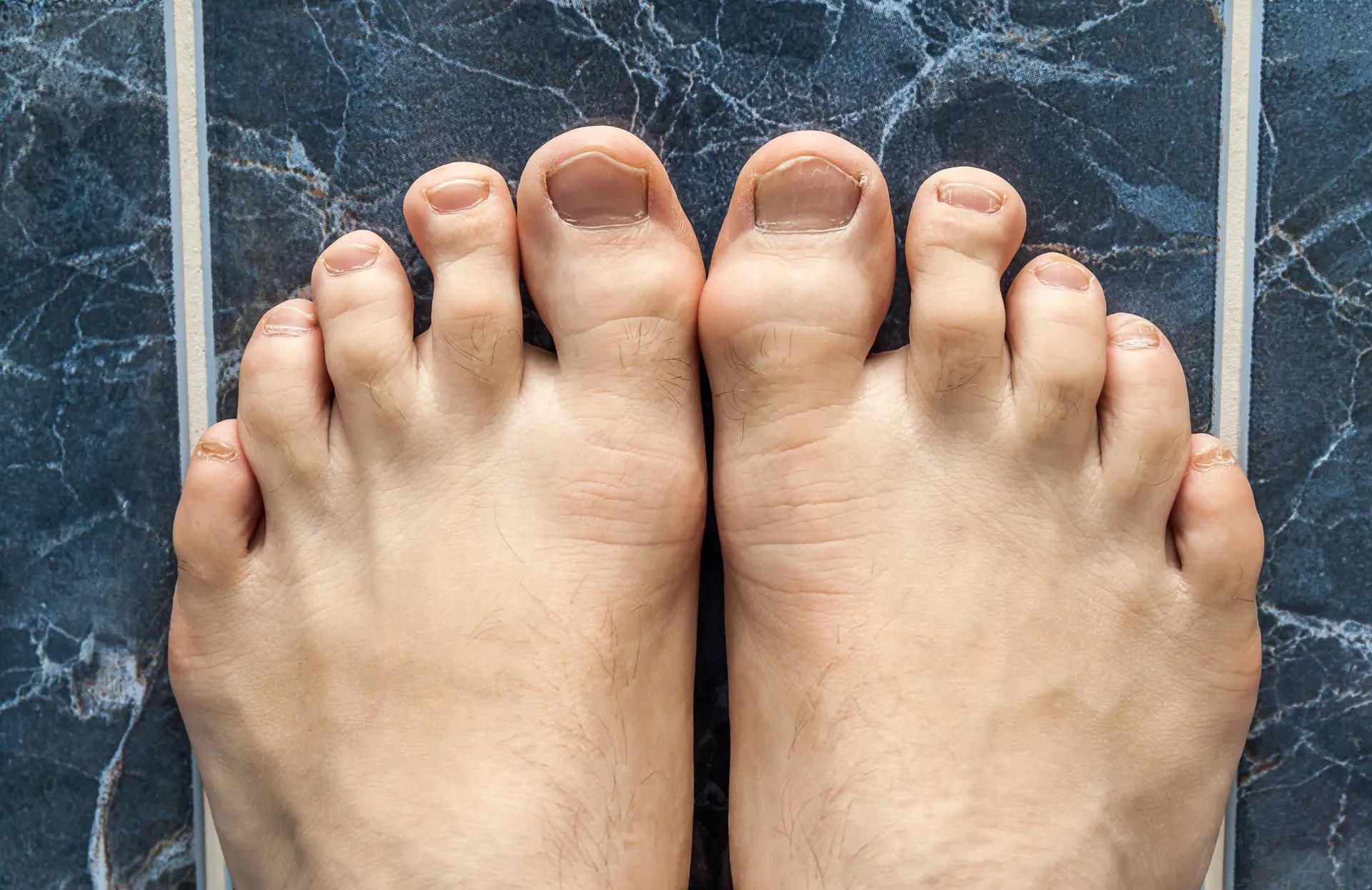
We’ll explain your results clearly and recommend an approach based on your individual foot health, risk level and ongoing care needs.
Prevention Advice
You’ll receive practical advice to help protect your feet, reduce pressure, manage skin and nail concerns, and know when to seek further care.

Treatment Options for Diabetes Foot Care
There is no one-size-fits-all approach to diabetes foot care. Depending on your assessment and individual needs, care may include:
- Regular diabetes foot assessments
- Circulation and sensation checks
- Safe toenail trimming and nail care
- Corn and callus reduction where appropriate
- Footwear assessment and recommendations
- Pressure-relief advice
- Custom orthoses where pressure or foot mechanics are contributing to risk
- Wound checks and dressing advice where appropriate
- Monitoring of high-risk feet
- Communication with your GP or healthcare team where required
- Referral for urgent medical care if infection, ulceration or circulation concerns are identified
Our goal is to provide practical, careful and personalised support to help protect your feet and reduce the risk of diabetes-related foot complications.
Why choose Port Stephens Podiatry?
We understand that diabetes foot care can feel worrying, especially if you have reduced sensation, circulation concerns or a history of foot problems. Our team provides a calm, professional and supportive environment where your concerns are taken seriously.
Every patient receives:
- A thorough assessment
- Clear explanations and practical advice
- Personalised treatment recommendations
- Safe skin and toenail care where needed
- Diabetes foot care guidance
- Ongoing support throughout their treatment journey
We're here to help you understand your foot health, manage risk factors and feel more confident caring for your feet.
Trusted Local Podiatry Care
Our team provides podiatry services to patients throughout Port Stephens, including:
- Nelson Bay
- Salmander Bay
- Shoal Bay
- Corlette
- Anna Bay
- Fingal Bay
We are committed to providing evidence-based podiatry care, practical treatment recommendations and personalised support to help our patients achieve the best possible outcomes.
- Qualified Podiatrists
- Experienced Team
- Evidence-Based Care
- Treatment Plans
Frequently Asked Questions
Why are foot checks important for people with diabetes?
Diabetes can affect the nerves, circulation and skin of the feet. Regular foot checks can help identify changes early and reduce the risk of wounds, infections and other complications.
How often should I have a diabetes foot assessment?
Many people with diabetes are advised to have their feet checked at least once a year. Some people may need more frequent reviews, especially if they have reduced sensation, poor circulation, previous ulcers or other risk factors.
What happens during a diabetes foot assessment?
Your podiatrist may check your skin, toenails, circulation, nerve sensation, pressure areas, footwear and any signs of wounds, infection or delayed healing.
What are the warning signs I should look for?
Warning signs include cuts, blisters, redness, swelling, pus or discharge, colour changes, cracked skin, ulcers, increasing pain, numbness, tingling or any wound that is not healing.
Can a podiatrist cut my toenails if I have diabetes?
Yes. A podiatrist can safely trim toenails and manage thickened or difficult nails. This is especially important if you have reduced feeling, poor circulation or difficulty caring for your feet safely.
Can diabetes cause numbness in the feet?
Yes. Diabetes can sometimes affect the nerves, which may lead to numbness, tingling, burning or reduced sensation in the feet. If you notice these changes, it is important to have your feet assessed.
What shoes are best for diabetes foot care?
Shoes should generally fit well, protect the feet, reduce rubbing and provide enough room for the toes. Your podiatrist can assess your footwear and recommend options based on your foot shape and risk level.
Patient Reviews
“Professional, caring and thorough. The team explained everything clearly and helped me understand my treatment options.“
“Friendly staff and excellent care. I felt comfortable from my first appointment.“
“I highly recommend it. The team took the time to listen, explain everything clearly and put together a treatment plan that worked for me.“
Ready to Take Better Care of Your Feet?
If you are living with diabetes, regular foot care can help identify concerns early and support healthier feet over time. Our team is here to assess your foot health, explain your options clearly and provide practical guidance tailored to your needs.
Book an appointment today and let us help you take the first step towards safer diabetes foot care.