
Pain, stiffness or tightness at the back of your heel?
If you’re feeling pain or stiffness around the back of your heel or lower calf, you may be dealing with Achilles tendonitis or Achilles tendinopathy. These conditions can make walking, running, climbing stairs or staying active uncomfortable.
The Achilles tendon connects your calf muscles to the back of your heel and plays an important role every time you walk, stand, jump or push off your foot. When this tendon becomes irritated or overloaded, symptoms can slowly build and become harder to ignore.
Our experienced podiatrists can assess your symptoms, identify contributing factors and guide you through treatment options to help reduce strain on the tendon and support your recovery.
Book an appointment today and take the first step towards moving more comfortably.
Does This Sound Familiar?
You may be dealing with Achilles tendonitis or Achilles tendinopathy if you’ve noticed:
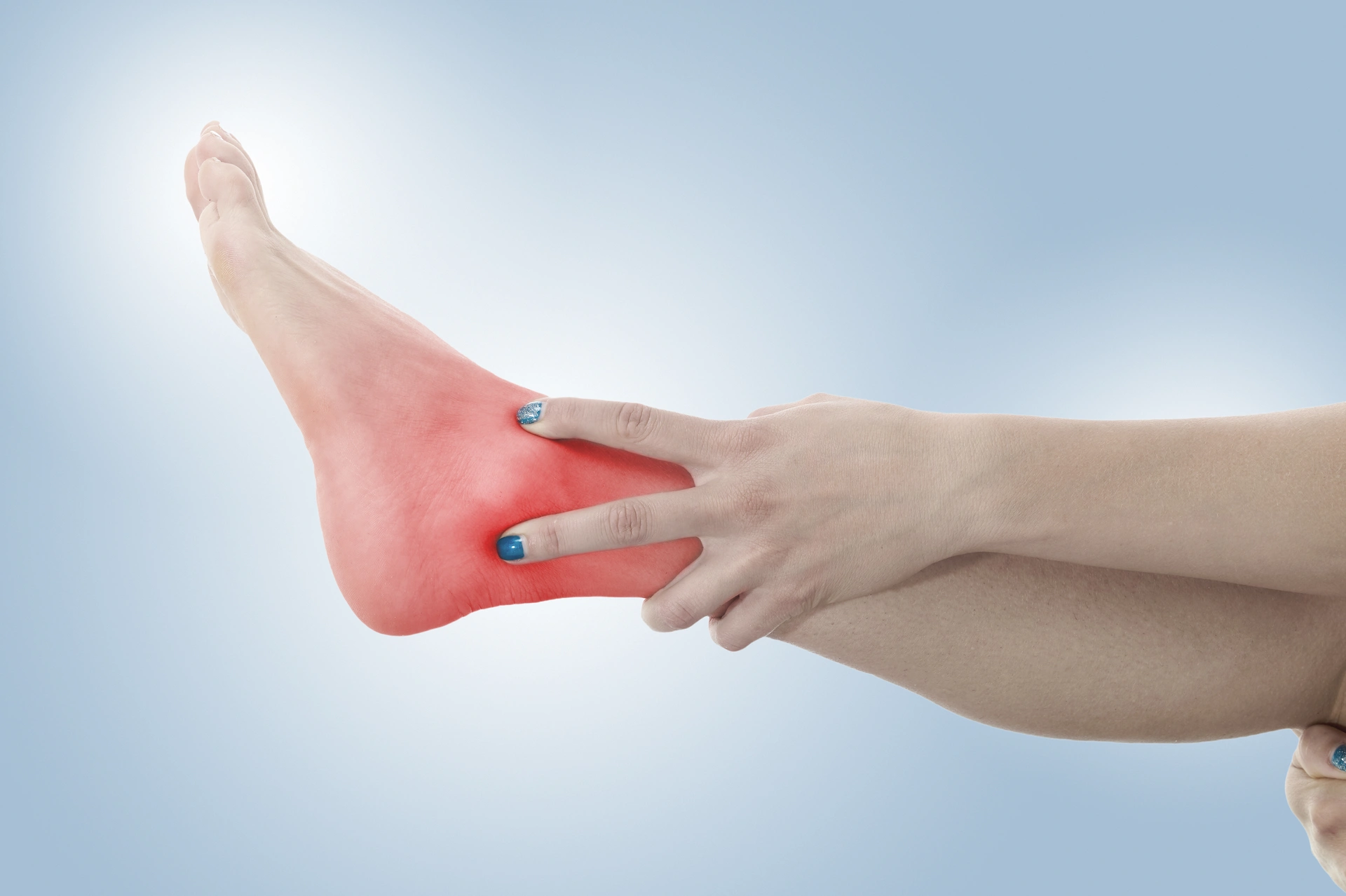
- Pain at the back of the heel or lower calf
- Pain or stiffness with first steps in the morning or after prolonged sitting
- Pain that eases as you get moving, but returns during or after walking, running or exercise
- Tenderness when touching the Achilles tendon
- Swelling or thickening around the tendon
- Tight calf muscles
- Discomfort when walking uphill, climbing stairs or pushing off your foot
- Pain after increasing your activity level or changing footwear
- Difficulty staying active because of heel or tendon pain
Not all pain around the back of the heel is caused by Achilles tendonitis, which is why an accurate podiatry assessment is the best place to start.
If you experience a sudden sharp pain, a popping sensation, significant weakness or difficulty pushing off your foot, you should seek urgent medical advice, as this may indicate a more serious tendon injury.
What Is Achilles Tendonitis?
Achilles tendonitis is commonly used to describe pain and irritation in the Achilles tendon. It often occurs when the tendon is placed under more load than it can comfortably manage.
This may happen due to:
- A sudden increase in walking, running or sport
- Tight calf muscles
- Poor foot mechanics, such as feet rolling inwards
- Unsupportive footwear
- Repeated strain on the tendon
- Walking or training on hard or uneven surfaces
- Regular use of high heel shoes followed by flat footwear
- Returning to activity too quickly after a break
The good news is that many cases can be managed with the right assessment, load management, footwear advice, strengthening exercises and treatment plan suited to your individual needs.
What Is Achilles Tendinopathy?
Achilles tendinopathy is a broader term used to describe ongoing pain, stiffness or dysfunction in the Achilles tendon. Unlike acute tendonitis, which may involve short-term inflammation, tendinopathy often develops over time due to repeated strain and micro-damage within the tendon.
With tendinopathy, the structure of the tendon can change, becoming thicker, less flexible and more sensitive to load. This can lead to persistent discomfort, especially during or after activity.
Common features of Achilles tendinopathy include:
- Gradual onset of pain rather than sudden injury
- Morning stiffness that improves with movement
- Pain that worsens with activity and settles with rest
- Thickening or nodules along the tendon
- Reduced strength or endurance in the calf muscles
Understanding whether your symptoms are related to tendonitis or tendinopathy helps guide the most appropriate treatment approach. Management often focuses on controlled loading, strengthening exercises and addressing contributing factors rather than simply reducing inflammation.
Your Treatment Journey
Assessment
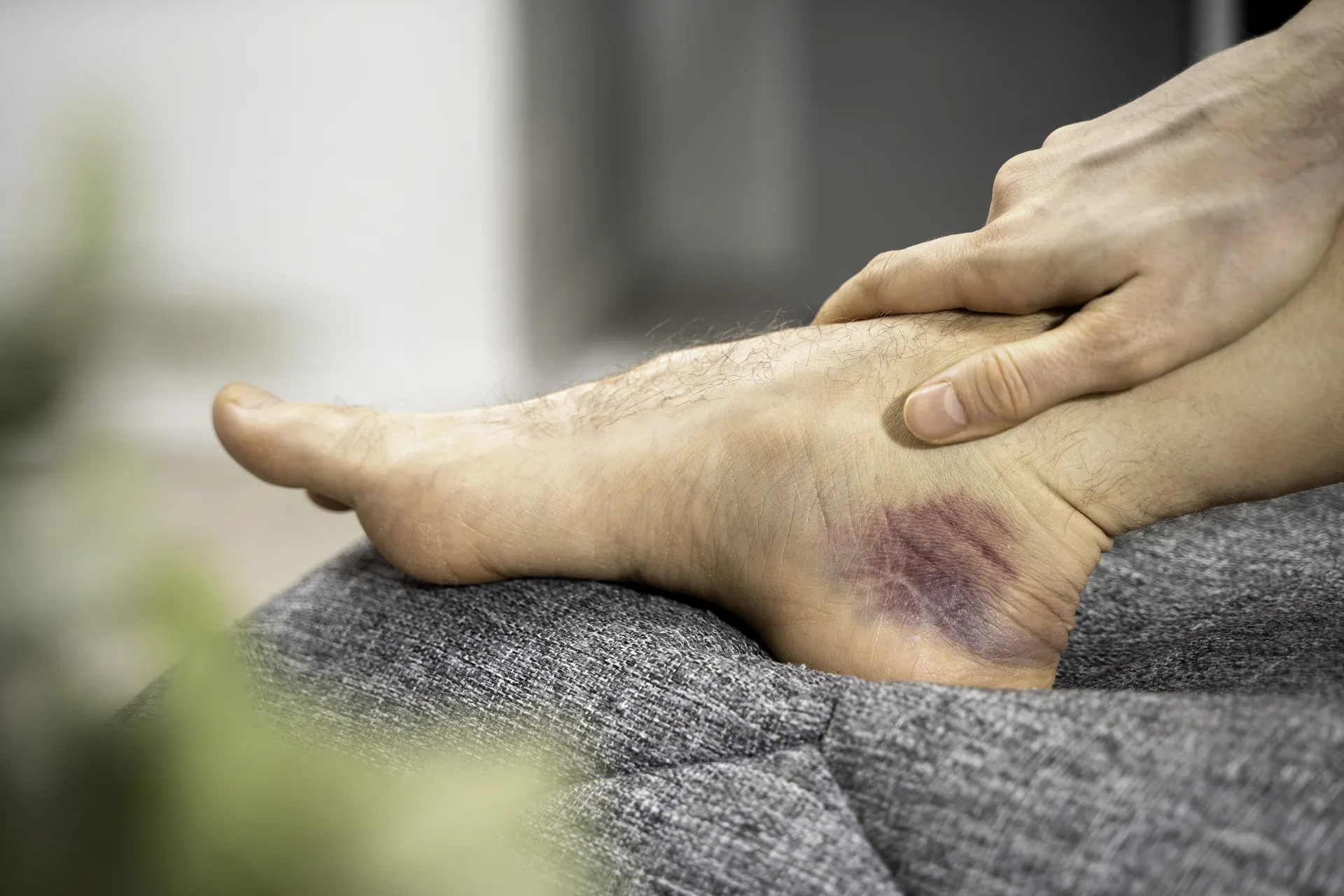
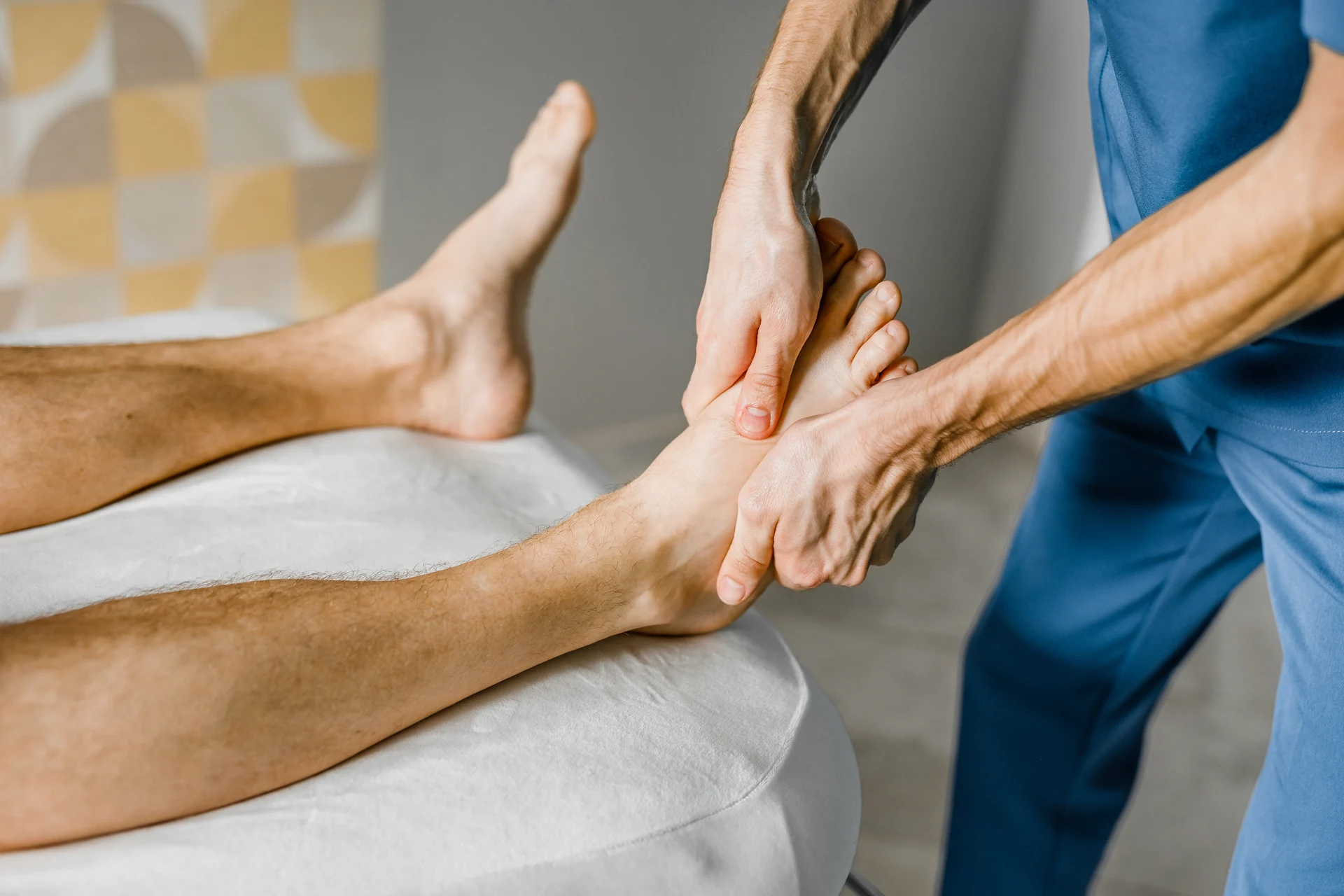
We’ll take the time to understand your symptoms, activity levels, footwear, medical history and how the pain is affecting your daily movement.
Diagnosis
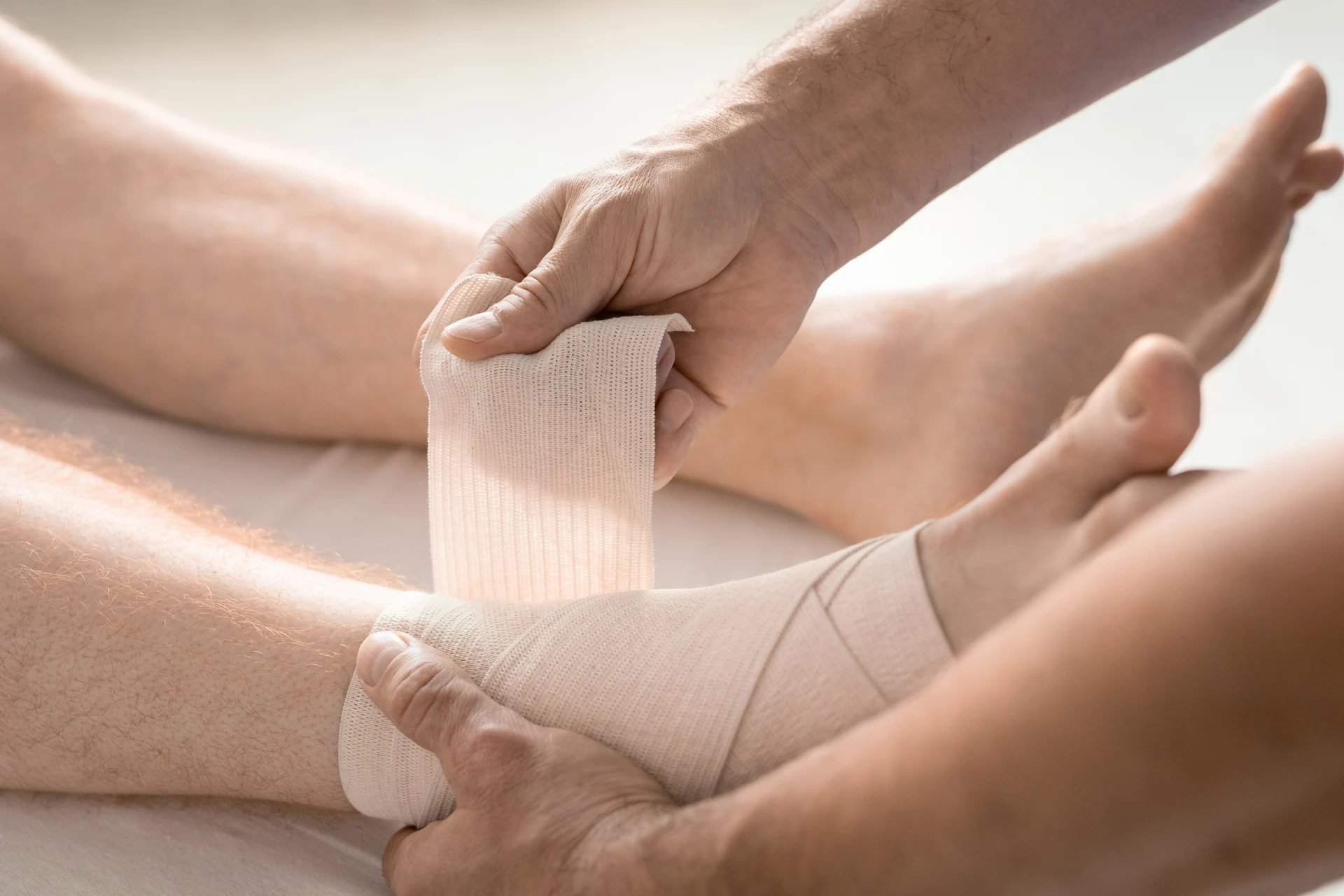
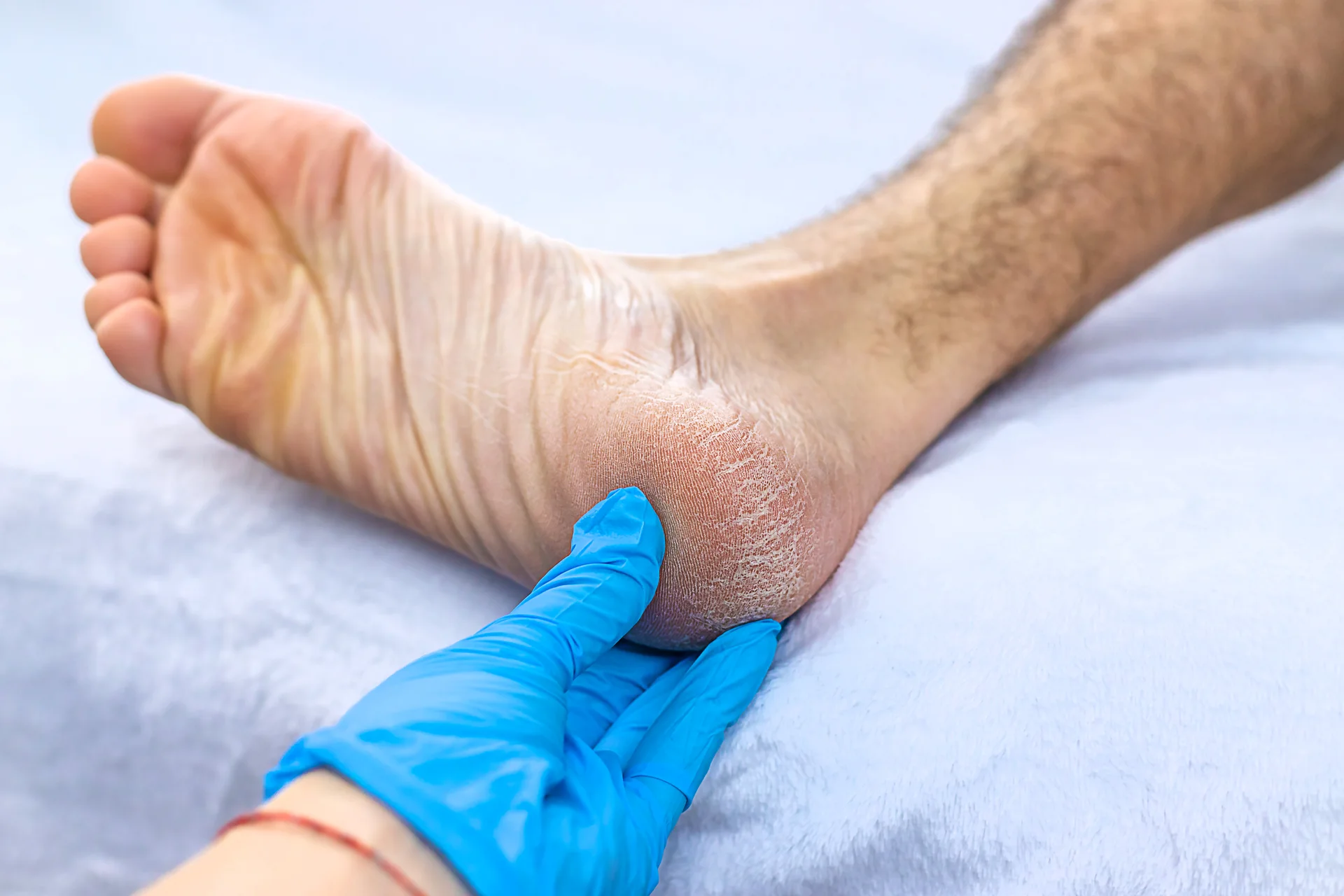
Our podiatrists will assess your Achilles tendon, foot posture, ankle range of motion, calf tightness and walking pattern to help identify what may be contributing to your pain.
Treatment Plan
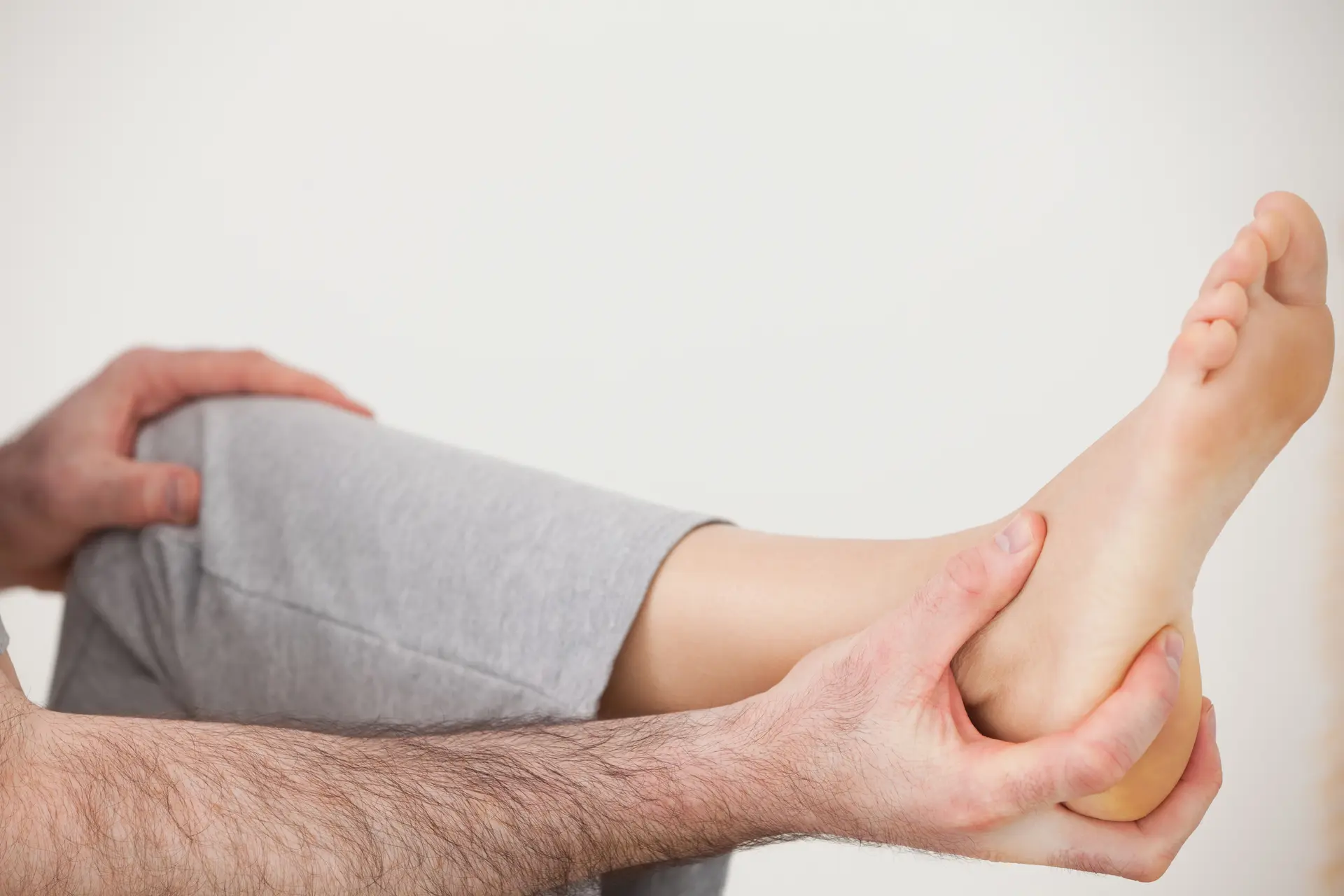
We’ll explain your treatment options clearly and recommend an approach based on your symptoms, lifestyle, activity goals and the severity of your condition.
Prevention Advice
You’ll receive practical advice to help reduce ongoing strain on the Achilles tendon and lower the risk of the problem returning.
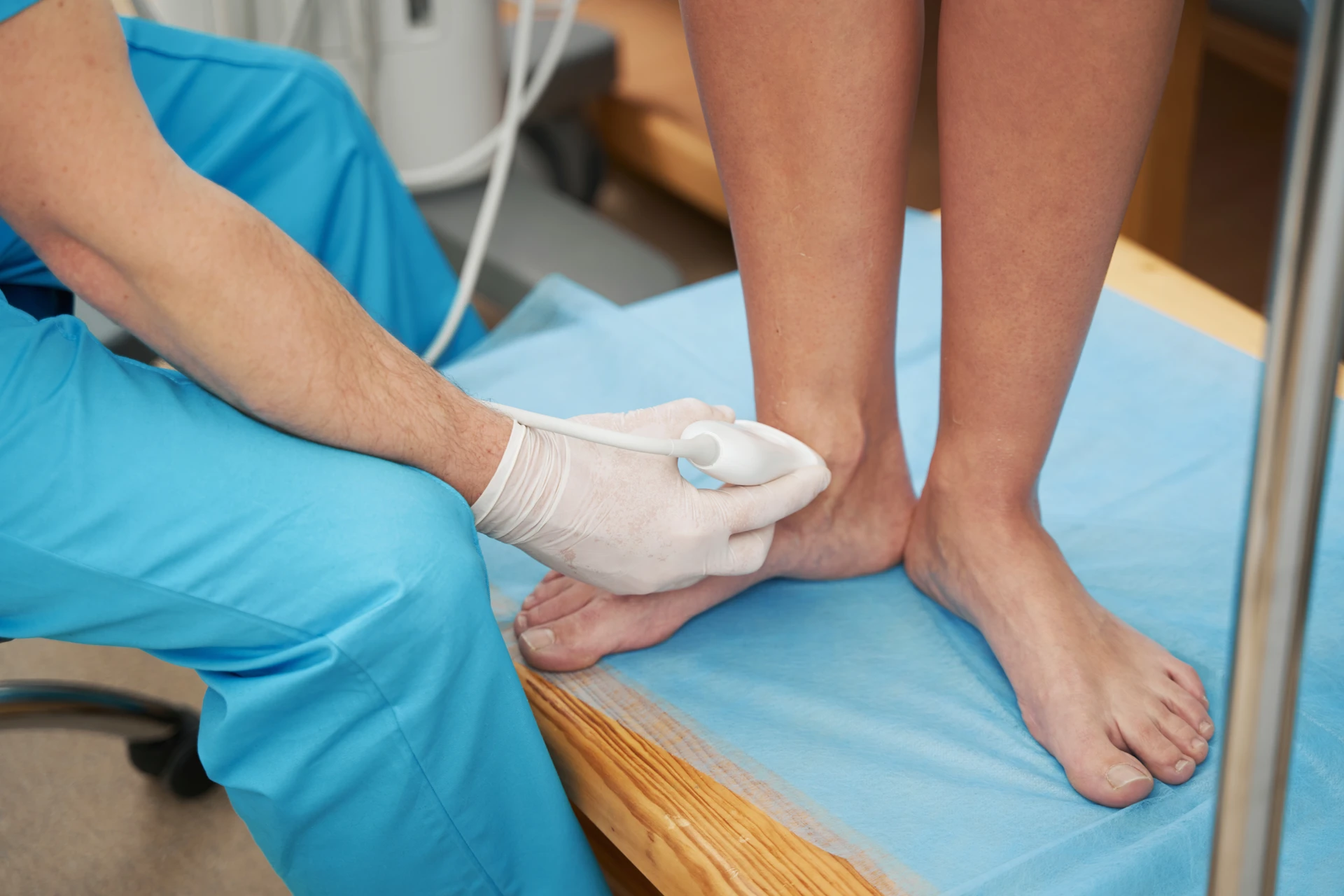
Treatment Options for Achilles Tendonitis and Achilles Tendinopathy
There is no one-size-fits-all approach to Achilles tendon pain. Depending on your symptoms and circumstances, treatment may include:
- Advice on reducing or modifying activities that are aggravating the tendon
- Stretching and strengthening exercises for the calf and Achilles tendon
- Footwear recommendations to improve support and reduce strain
- Heel lifts where appropriate to temporarily reduce load on the tendon
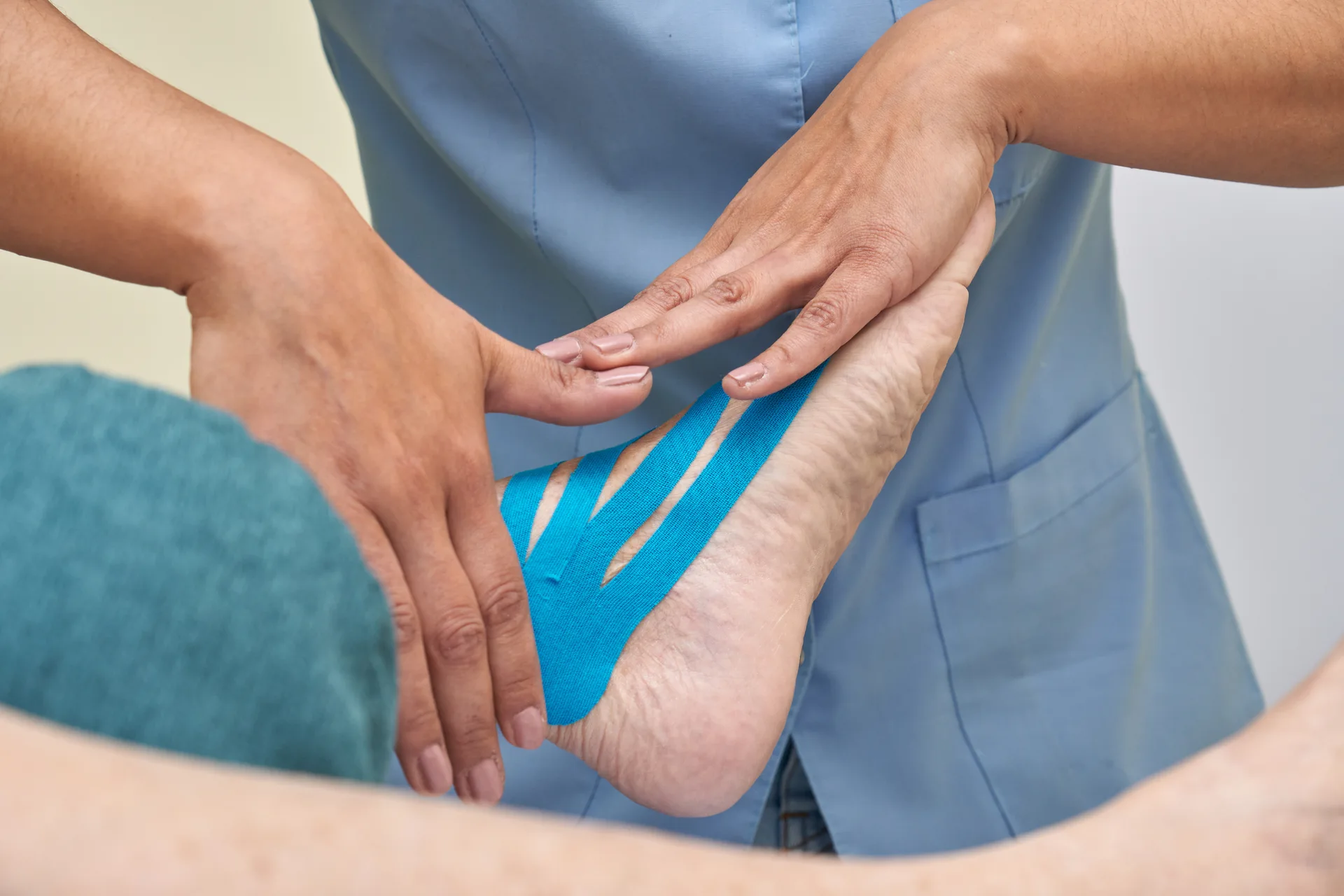
- Taping or strapping for additional support
- Custom orthotic devices where foot mechanics are contributing to tendon stress
- Advice on gradually returning to walking, running or sport
- Ongoing monitoring and management
- Referral for imaging or further medical care if required
Our goal is to recommend the most appropriate and practical solution for you, while helping you manage pain, improve function and return to your regular activities safely.
Why choose Port Stephens Podiatry?
We understand that Achilles tendon pain can be frustrating, especially when it stops you from walking comfortably, exercising or doing the activities you enjoy. Our team provides a calm, supportive and professional environment where your symptoms are taken seriously.
Every patient receives:
- A thorough assessment
- Clear explanations and practical advice
- Personalised treatment recommendations
- Support with footwear, exercises and activity management
- Ongoing support throughout their treatment journey
We're here to help you understand what may be causing your Achilles pain and guide you towards a treatment plan that suits your needs.
Trusted Local Podiatry Care
Our team provides podiatry services to patients throughout Port Stephens, including:
- Nelson Bay
- Salmander Bay
- Shoal Bay
- Corlette
- Anna Bay
- Fingal Bay
We are committed to providing evidence-based podiatry care, practical treatment recommendations and personalised support to help our patients achieve the best possible outcomes.
- Qualified Podiatrists
- Experienced Team
- Evidence-Based Care
- Treatment Plans
Frequently Asked Questions
What are the signs of Achilles tendonitis?
Common signs include pain at the back of the heel or lower calf, morning stiffness, tenderness around the tendon, swelling or thickening, and discomfort after walking, running or climbing stairs.
What is the difference between Achilles tendonitis and Achilles tendinopathy?
Although the terms are often used interchangeably, Achilles tendonitis generally refers to short-term irritation or inflammation. Achilles tendinopathy is the broader term for ongoing pain and reduced function. Persistent symptoms may involve structural changes and an altered response to repeated load, rather than inflammation alone. Your podiatrist can assess what is most likely happening in your case.
Will Achilles tendon pain go away by itself?
Mild symptoms may settle with rest and activity changes, but ongoing Achilles pain often needs proper management. Without treatment, the tendon may continue to become irritated, especially if the same activities or footwear continue to place stress on it.
What causes Achilles tendon pain?
Achilles tendon pain can be caused by overuse, tight calf muscles, sudden increases in activity, poor foot mechanics, unsupportive footwear or repeated strain on the tendon. Sometimes several factors are involved.
Can orthotics help with Achilles tendonitis?
Orthotics may help if your foot posture or walking pattern is contributing to extra strain on the Achilles tendon. Your podiatrist will assess your foot mechanics and recommend orthotics only if they are suitable for your condition.
How long does Achilles tendon treatment take?
Recovery time varies depending on the severity of the condition, how long symptoms have been present and how well the tendon responds to treatment. Some people improve within weeks, while longer-standing tendon problems may take several months to manage properly.
Should I stop exercising if I have Achilles pain?
You may need to reduce or modify certain activities, especially those that increase pain. Your podiatrist can help guide you on what to avoid, what may be safe to continue and how to return to activity gradually.
Patient Reviews
“Professional, caring and thorough. The team explained everything clearly and helped me understand my treatment options.“
“Friendly staff and excellent care. I felt comfortable from my first appointment.“
“I highly recommend it. The team took the time to listen, explain everything clearly and put together a treatment plan that worked for me.“
Ready to Move More Comfortably Again?
If Achilles pain is making it harder to walk, exercise or enjoy your normal routine, our team is here to help. We’ll assess what’s happening, explain your options clearly and work with you to find the most appropriate treatment plan.
Book an appointment today and let us help you take the first step towards healthier movement.