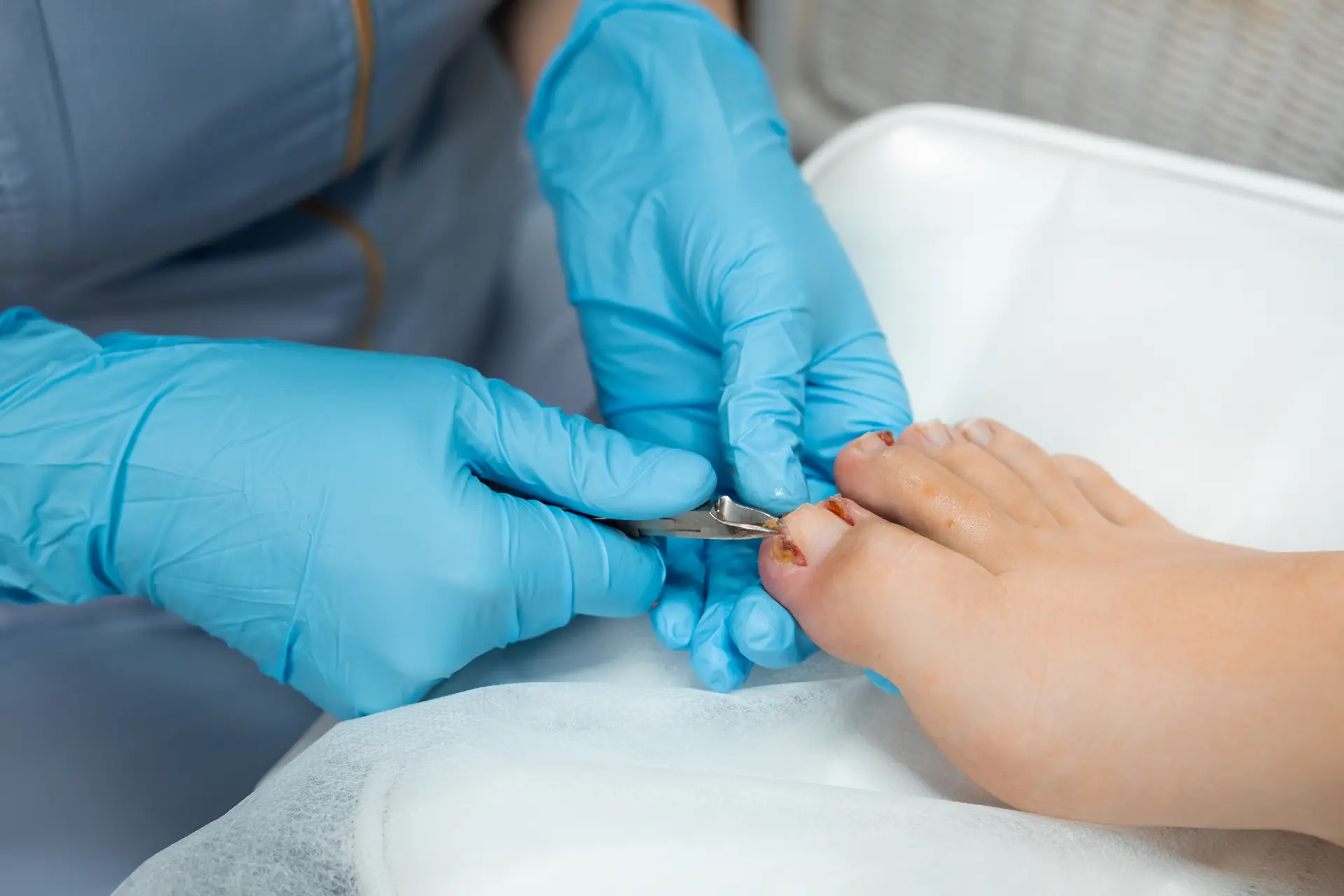

Pain, redness or swelling around your toenail?
If the side of your toenail is painful, tender, red or swollen, you may be dealing with an ingrown toenail. This happens when part of the nail presses into or grows into the surrounding skin, often causing discomfort and irritation.
Ingrown toenails commonly affect the big toe, but they can occur on other toes as well. For some people, the pain develops slowly. For others, it can become uncomfortable quickly, especially when wearing shoes or walking.
Our experienced podiatrists can assess your toenail, identify what may be causing the problem and guide you through treatment options to help reduce pain, support healing and lower the risk of it returning.
Book an appointment today and take the first step towards more comfortable feet.
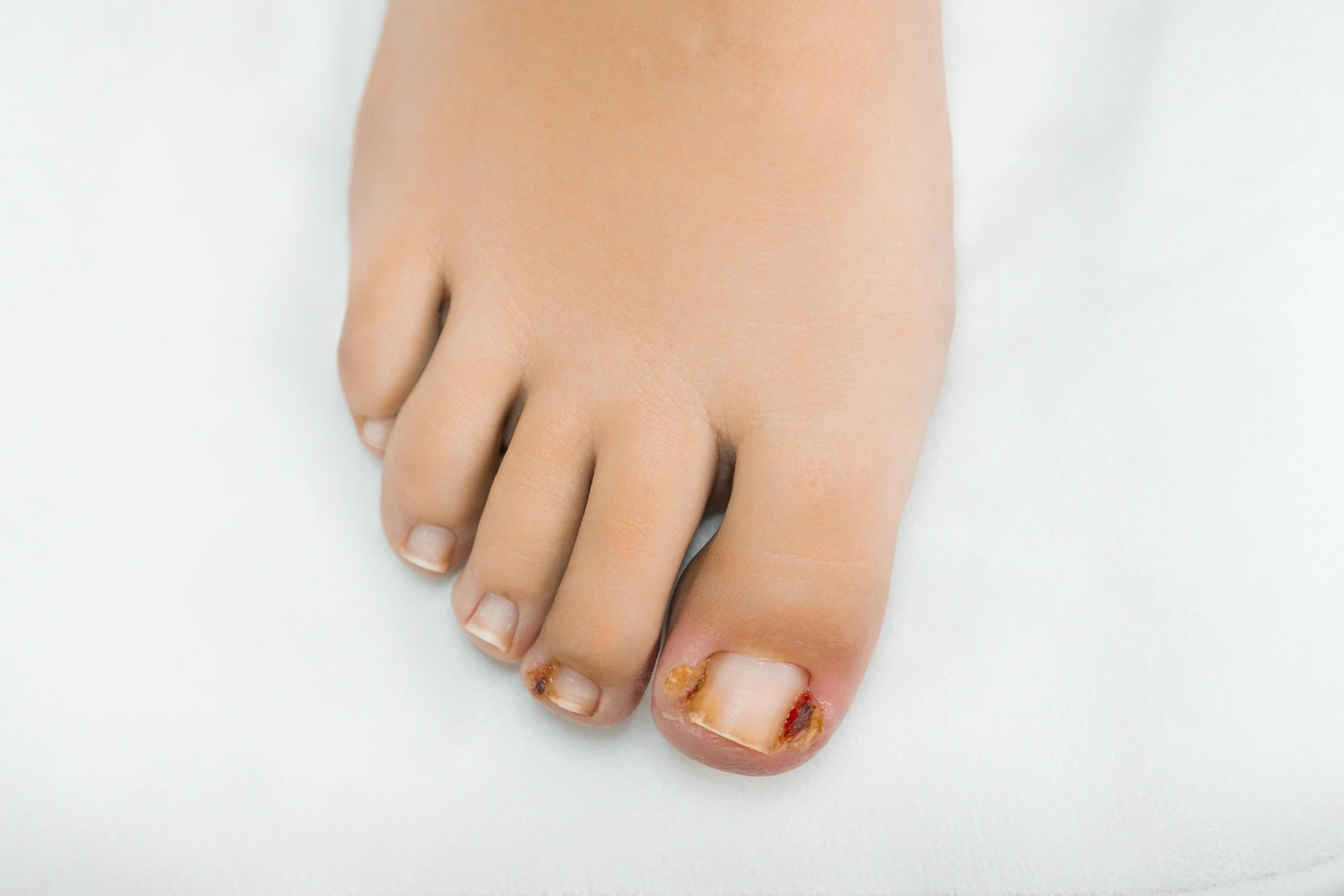
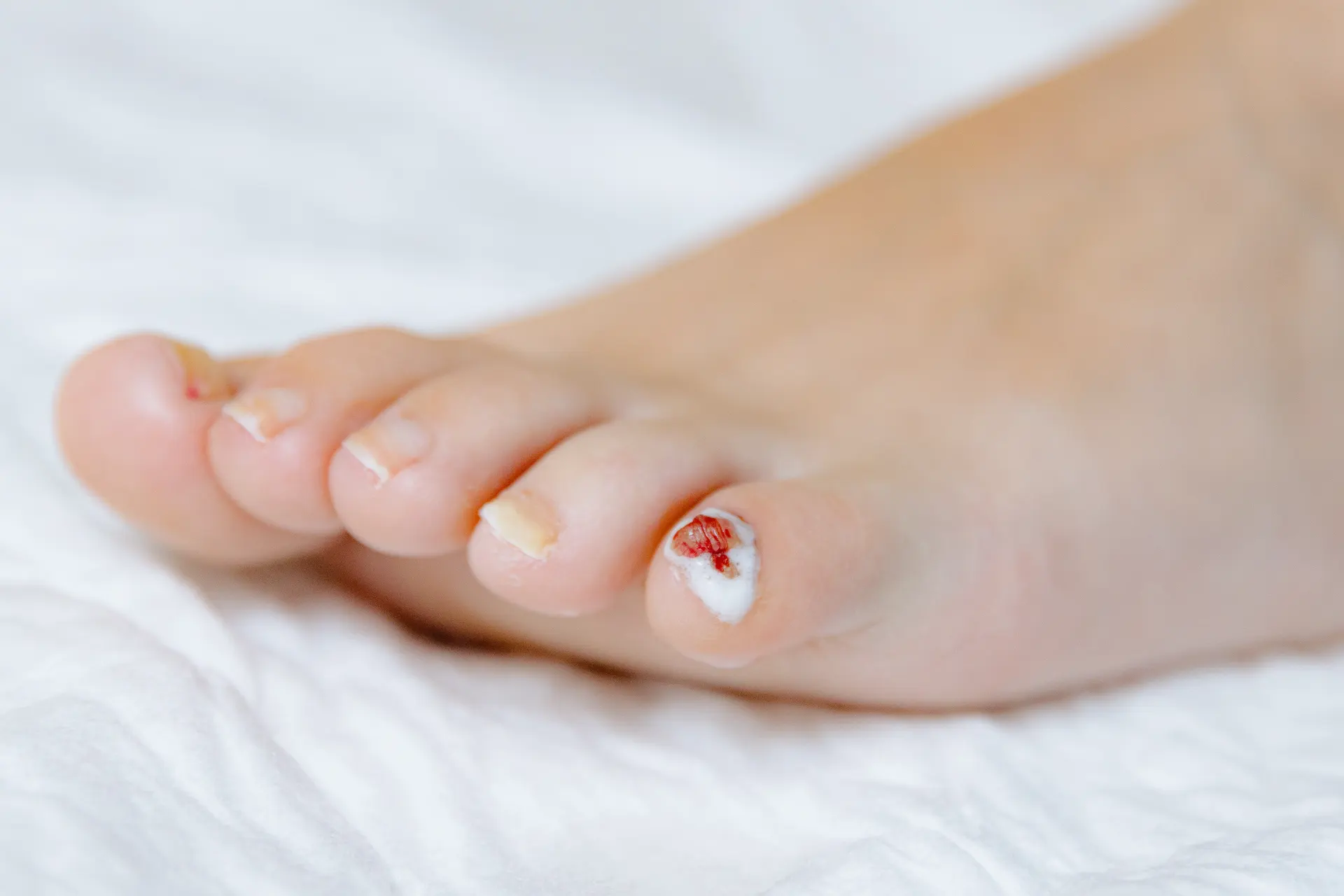
Does This Sound Familiar?
You may be dealing with an ingrown toenail if you’ve noticed:
- Pain along one or both sides of the toenail
- Redness or swelling around the nail edge
- Tenderness when wearing shoes
- Pain when walking or putting pressure on the toe
- Skin growing over the side of the nail
- A sharp nail edge digging into the skin
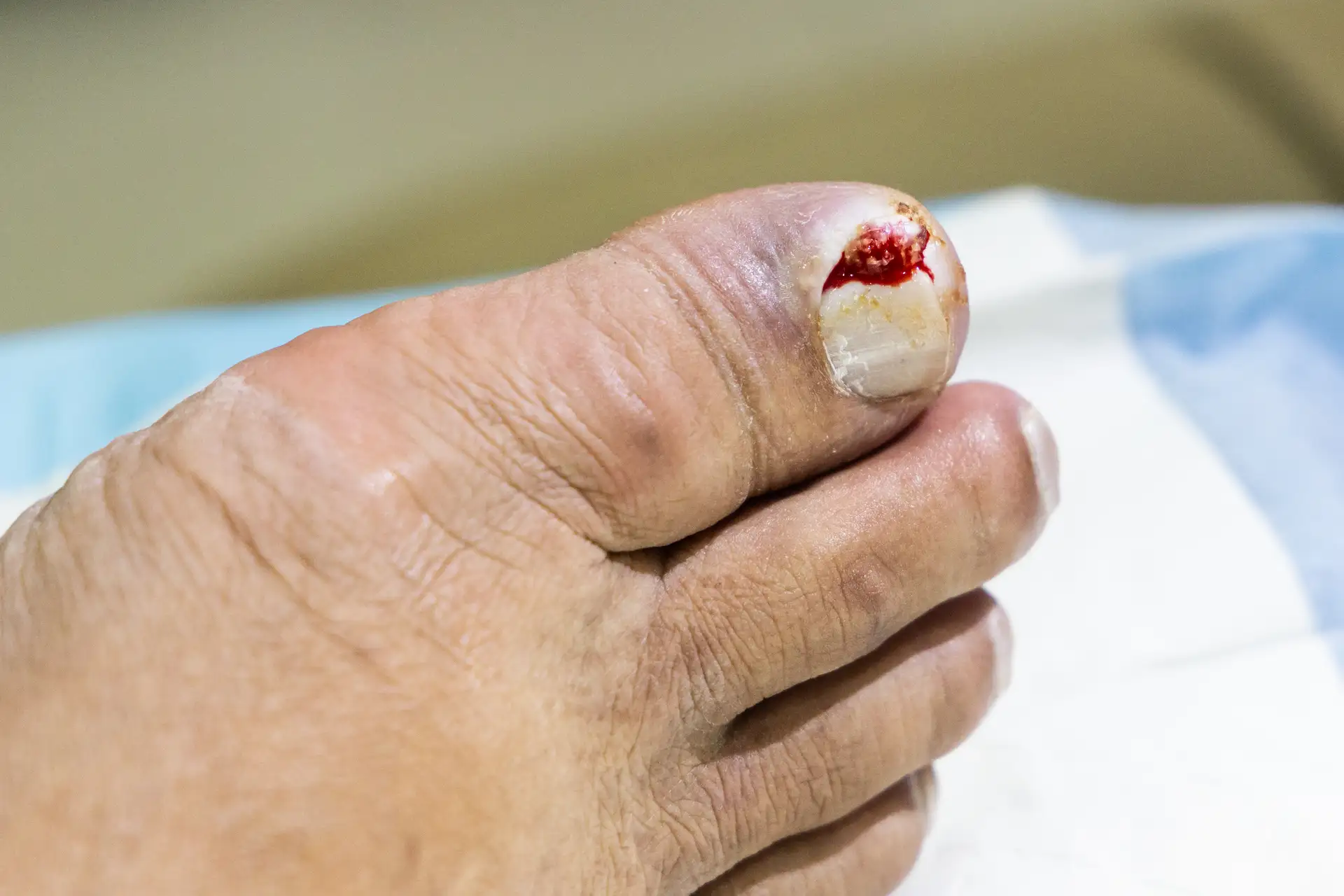
- Fluid, bleeding or discharge around the nail
- Repeated irritation in the same toenail
- Difficulty trimming the nail safely
- The problem keeps coming back after cutting the nail
Not every painful toenail is caused by an ingrown toenail, which is why an accurate podiatry assessment is the best place to start.
If you notice spreading redness, increasing swelling, pus, severe pain, fever, or you have diabetes, poor circulation or reduced sensation, it is important to seek professional advice promptly.
What Is an Ingrown Toenail?
An ingrown toenail occurs when part of the nail presses into or grows into the skin beside the nail. This can irritate the surrounding tissue and may lead to pain, swelling, inflammation or infection.
Ingrown toenails may be caused by:
- Cutting toenails too short
- Rounding the nail edges when trimming
- Tight or narrow footwear
- Pressure from shoes or socks
- Naturally curved or wide nail shape
- Injury or trauma to the toenail
- Picking or tearing the nail
- Repeated pressure from sport or activity
In mild cases, the nail edge may only cause tenderness or pressure. In more advanced cases, the skin may become swollen, inflamed or infected.
The good news is that ingrown toenails can often be treated effectively by a podiatrist. Early care may help relieve discomfort, reduce the risk of infection and prevent the problem from becoming more difficult to manage.
Your Treatment Journey
Assessment
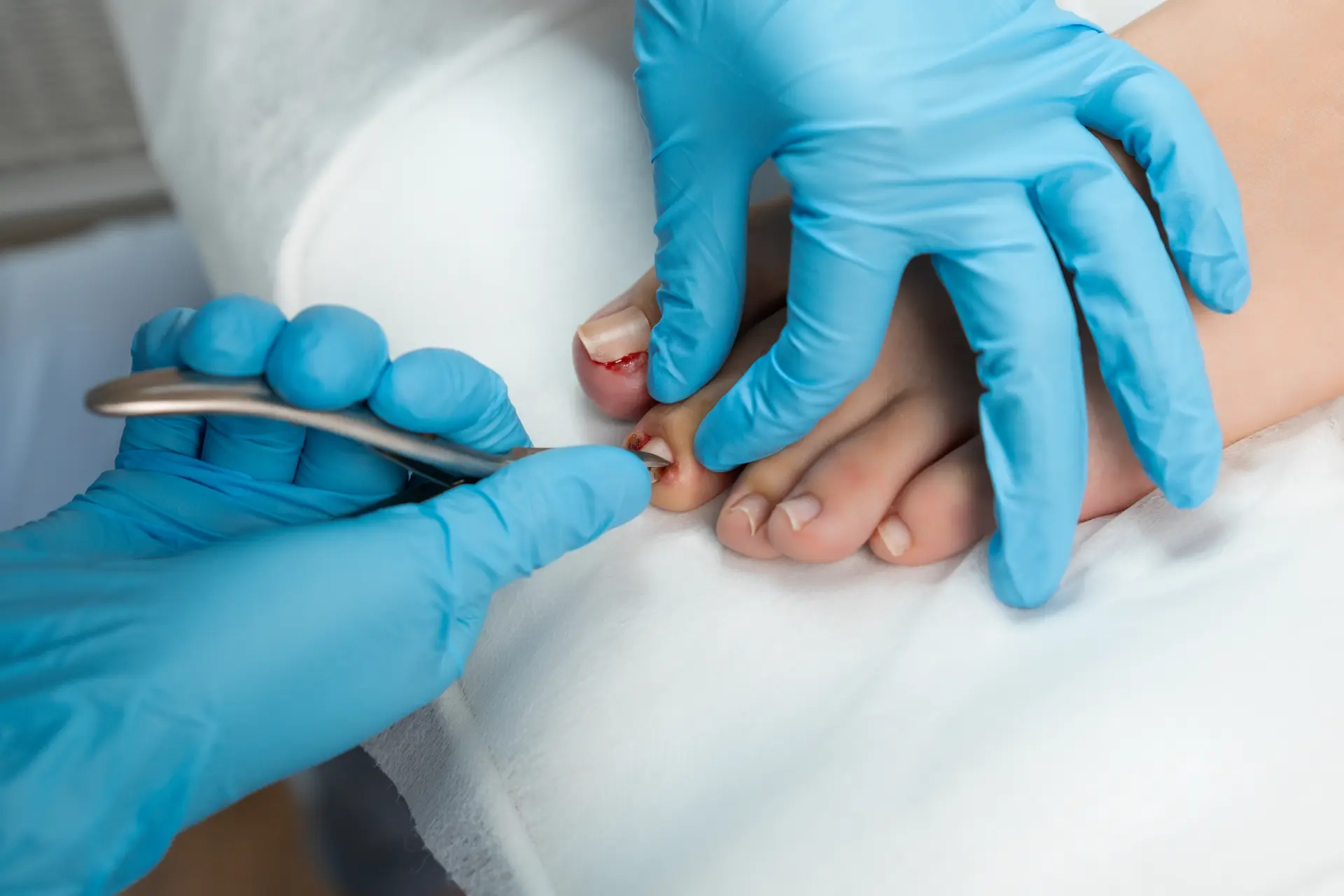
We’ll take the time to understand your symptoms, medical history, footwear, nail care routine and whether the ingrown toenail has happened before.
Diagnosis
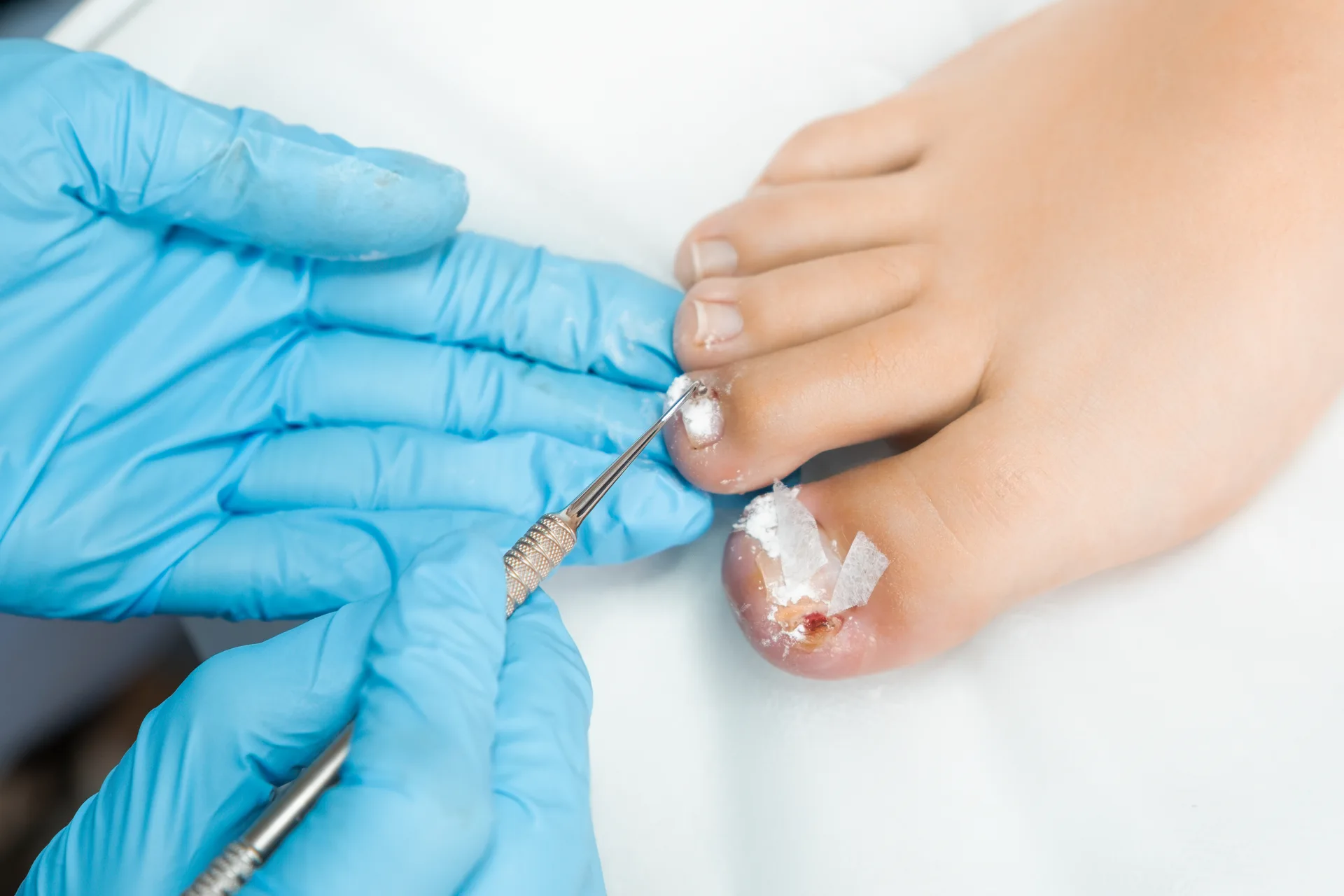
Our podiatrists will assess the toenail, surrounding skin and any signs of inflammation or infection to identify what is causing the pain.
Treatment Plan
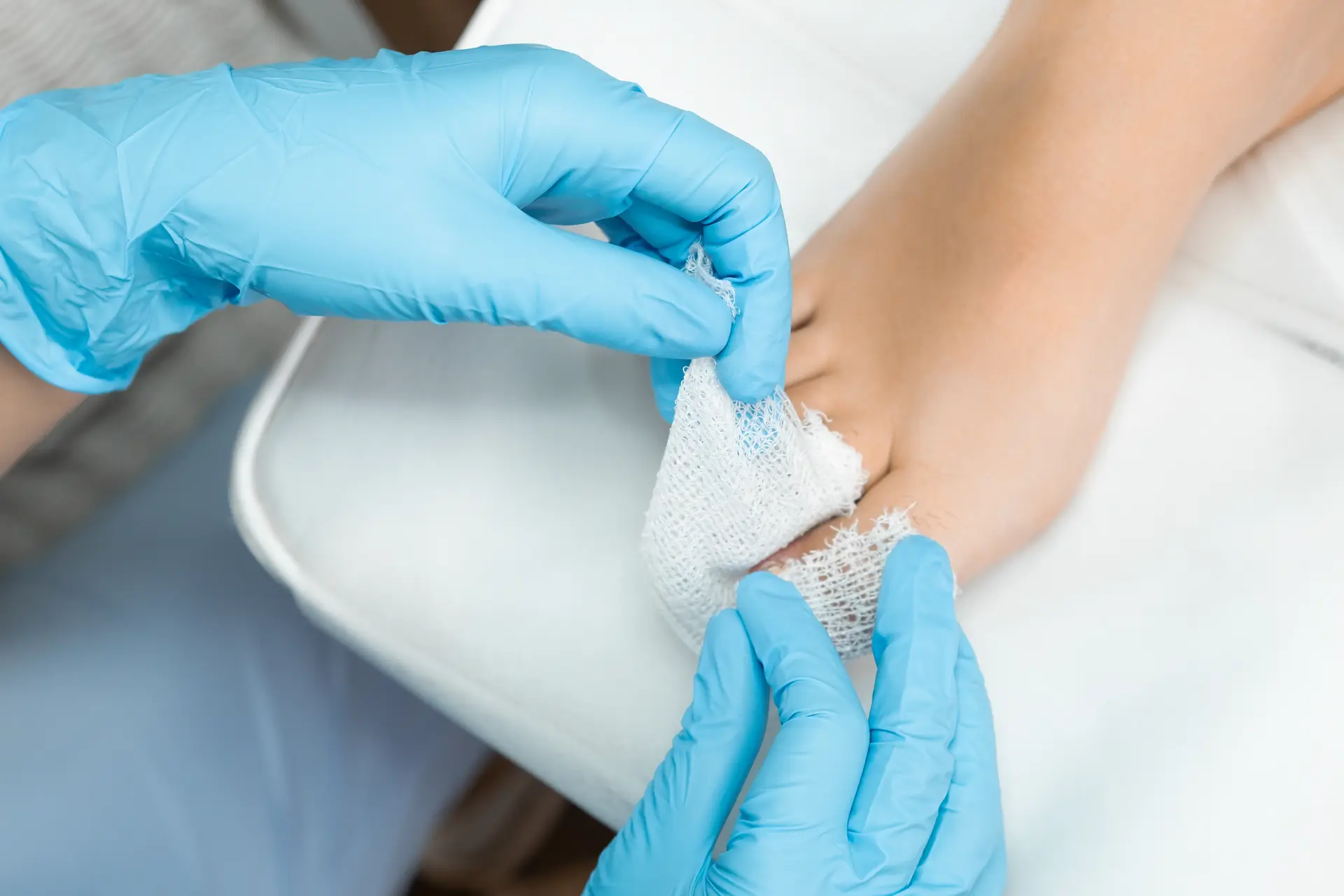
We’ll explain your treatment options clearly and recommend an approach based on the severity of the ingrown toenail, your comfort and your individual needs.
Prevention Advice
You’ll receive practical advice to help reduce pressure on the nail, improve nail-cutting habits and lower the risk of ingrown toenails returning.
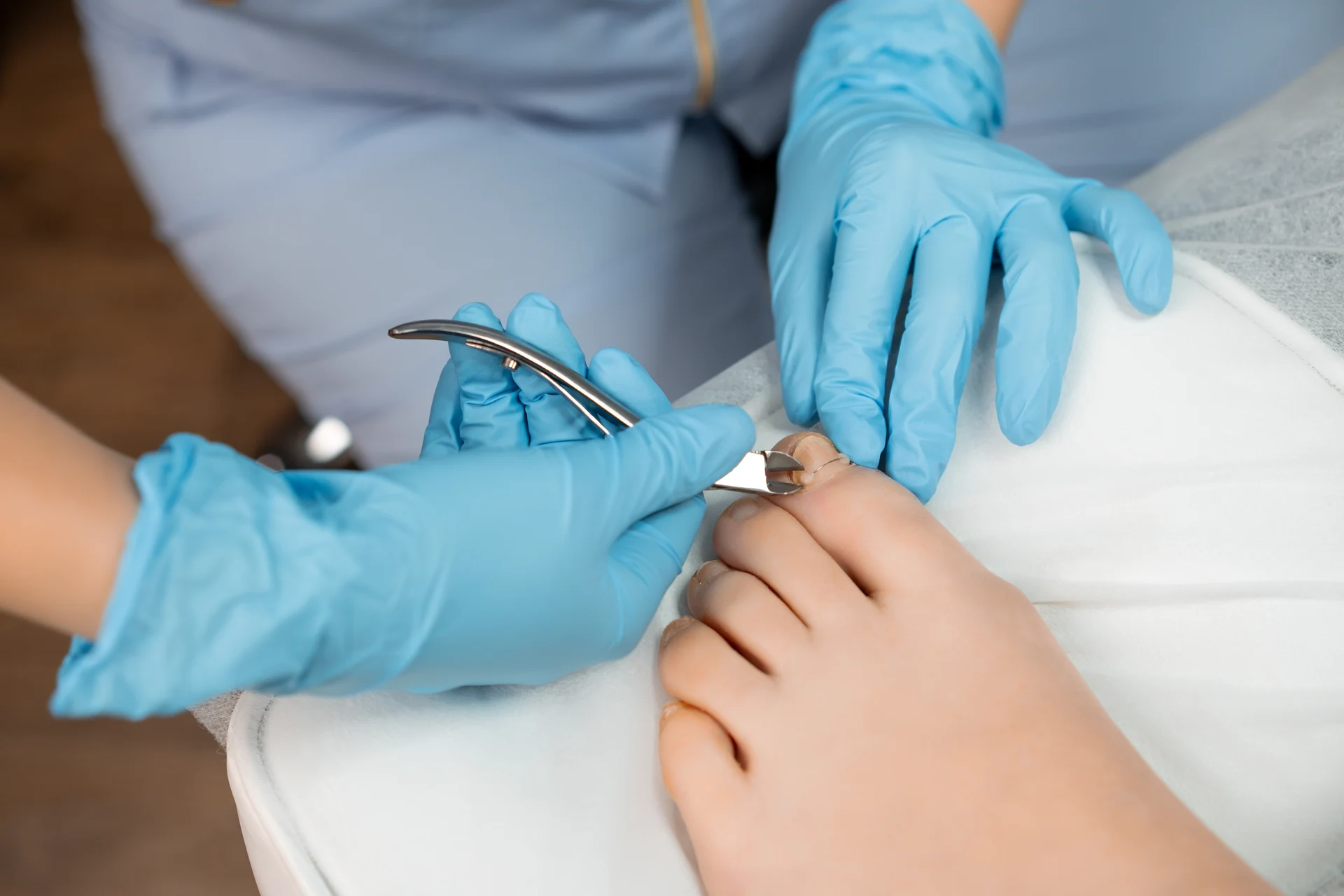
Treatment Options for Ingrown Toenails
There is no one-size-fits-all approach to ingrown toenail treatment. Depending on your symptoms and circumstances, treatment may include:
- Careful removal of the painful nail edge where appropriate
- Smoothing or reshaping of the nail edge
- Dressing and protection of the affected toe
- Advice on footwear to reduce pressure on the nail
- Guidance on safe nail-cutting technique
- Monitoring and follow-up care
- Referral to your GP if antibiotics or further medical care are required
- Partial nail avulsion for recurring or more severe cases, with permanent correction of the problem nail edge where suitable
- Further referral if the condition is complex or not healing as expected
For mild cases, treatment may involve carefully clearing the nail edge and reducing the pressure causing the pain. For recurring or more severe ingrown toenails, your podiatrist may discuss a minor procedure called a partial nail avulsion. This involves removing the problematic section of nail under local anaesthetic.
Our goal is to recommend the most appropriate and practical solution for you, while helping reduce pain, support healing and lower the chance of the problem returning.
Why Choose Port Stephens Podiatry?
We understand that ingrown toenails can be painful, frustrating and sometimes worrying, especially when there is swelling or infection. Our team provides a welcoming, professional and supportive environment where your concerns are managed carefully.
Every patient receives:
- A thorough assessment
- Clear explanations and practical advice
- Personalised treatment recommendations
- Safe toenail care where needed
- Aftercare and prevention guidance
- Ongoing support throughout their treatment journey
We're here to help you understand what may be causing your ingrown toenail and guide you towards a treatment plan that suits your needs.
Trusted Local Podiatry Care
Our team provides podiatry services to patients throughout Port Stephens, including:
- Nelson Bay
- Salmander Bay
- Shoal Bay
- Corlette
- Anna Bay
- Fingal Bay
We are committed to providing evidence-based podiatry care, practical treatment recommendations and personalised support to help our patients achieve the best possible outcomes.
- Qualified Podiatrists
- Experienced Team
- Evidence-Based Care
- Treatment Plans
Frequently Asked Questions
What are the signs of an ingrown toenail?
Common signs include pain along the side of the nail, redness, swelling, tenderness, pressure in shoes, skin irritation and sometimes fluid, bleeding or discharge around the nail edge.
What causes ingrown toenails?
Ingrown toenails may be caused by cutting nails too short, rounding the nail edges, tight footwear, injury, curved nail shape, repeated pressure or the skin growing over the nail edge.
Can an ingrown toenail become infected?
Yes. If the nail edge breaks the skin or continues to irritate the area, infection can develop. Signs may include increasing redness, swelling, pus, discharge, warmth or worsening pain.
Should I try to cut out an ingrown toenail myself?
It is best to avoid digging into the side of the nail yourself, especially if the area is painful, swollen or infected. Cutting too deeply may make the problem worse or increase the risk of infection.
How does a podiatrist treat an ingrown toenail?
Treatment depends on the severity. Your podiatrist may carefully remove the painful nail edge, dress the toe, provide aftercare advice and discuss longer-term options if the problem keeps returning.
What is a partial nail avulsion?
A partial nail avulsion is a minor procedure where the problematic section of the toenail is removed under local anaesthetic. It may be recommended for recurring or more severe ingrown toenails.
Will I need antibiotics for an ingrown toenail?
Antibiotics may be needed if there is an infection. Your podiatrist can assess the toe and may recommend seeing your GP if antibiotic treatment or further medical care is required.
How can I prevent ingrown toenails from coming back?
You can reduce the risk by trimming toenails straight across, avoiding cutting them too short, wearing shoes with enough toe room and seeking early advice if the nail starts becoming painful again.
When should I see a podiatrist for an ingrown toenail?
You should consider seeing a podiatrist if the toe is painful, swollen, red, infected, difficult to trim, keeps coming back or affects walking and footwear comfort.
Patient Reviews
“Professional, caring and thorough. The team explained everything clearly and helped me understand my treatment options.“
“Friendly staff and excellent care. I felt comfortable from my first appointment.“
“I highly recommend it. The team took the time to listen, explain everything clearly and put together a treatment plan that worked for me.“
Ready to Get Relief From Ingrown Toenail Pain?
If an ingrown toenail is making it painful to walk, wear shoes or manage your normal routine, our team is here to help. We’ll assess what’s happening, explain your options clearly and work with you to find the most appropriate treatment plan.
Book an appointment today and let us help you take the first step towards more comfortable feet.