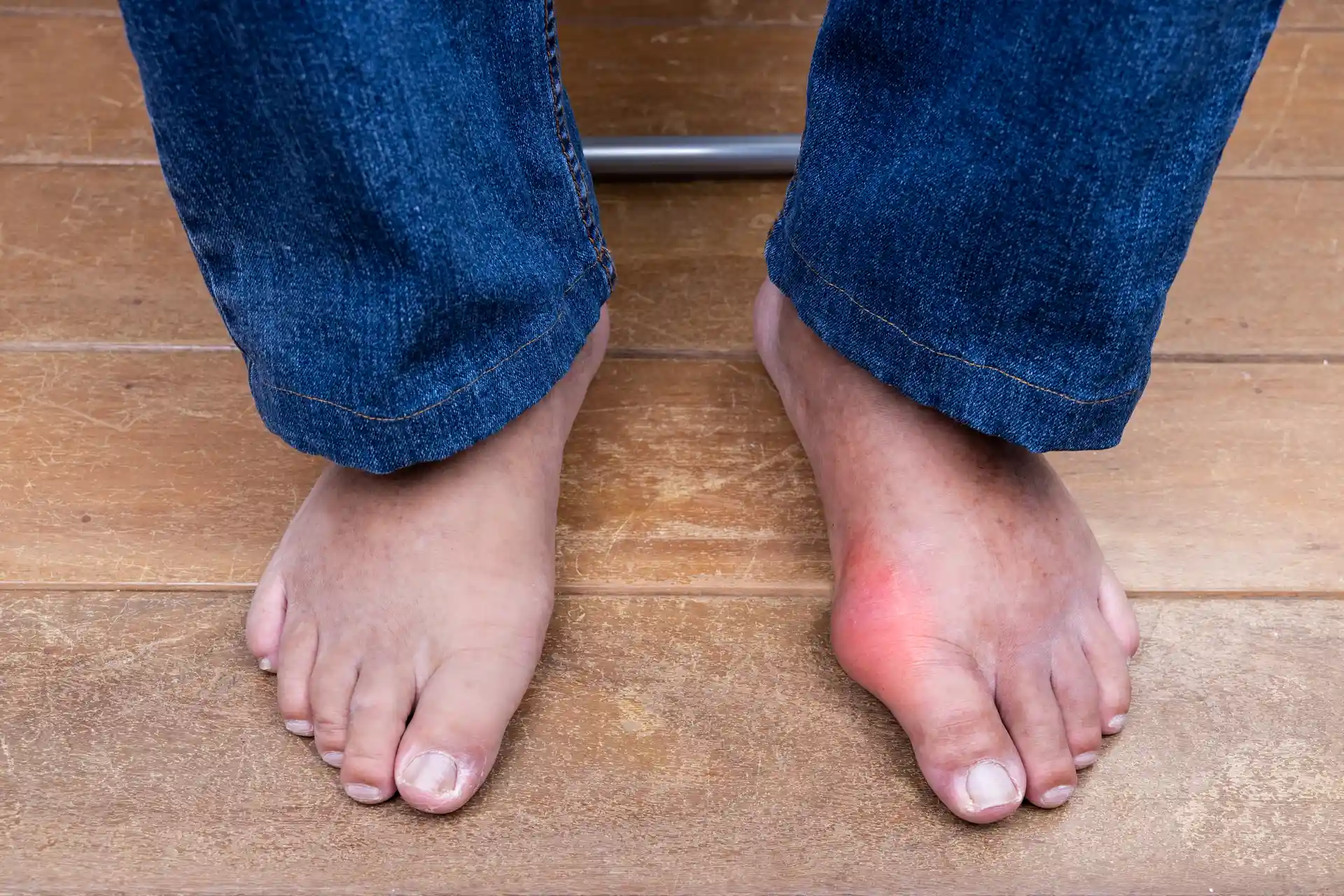

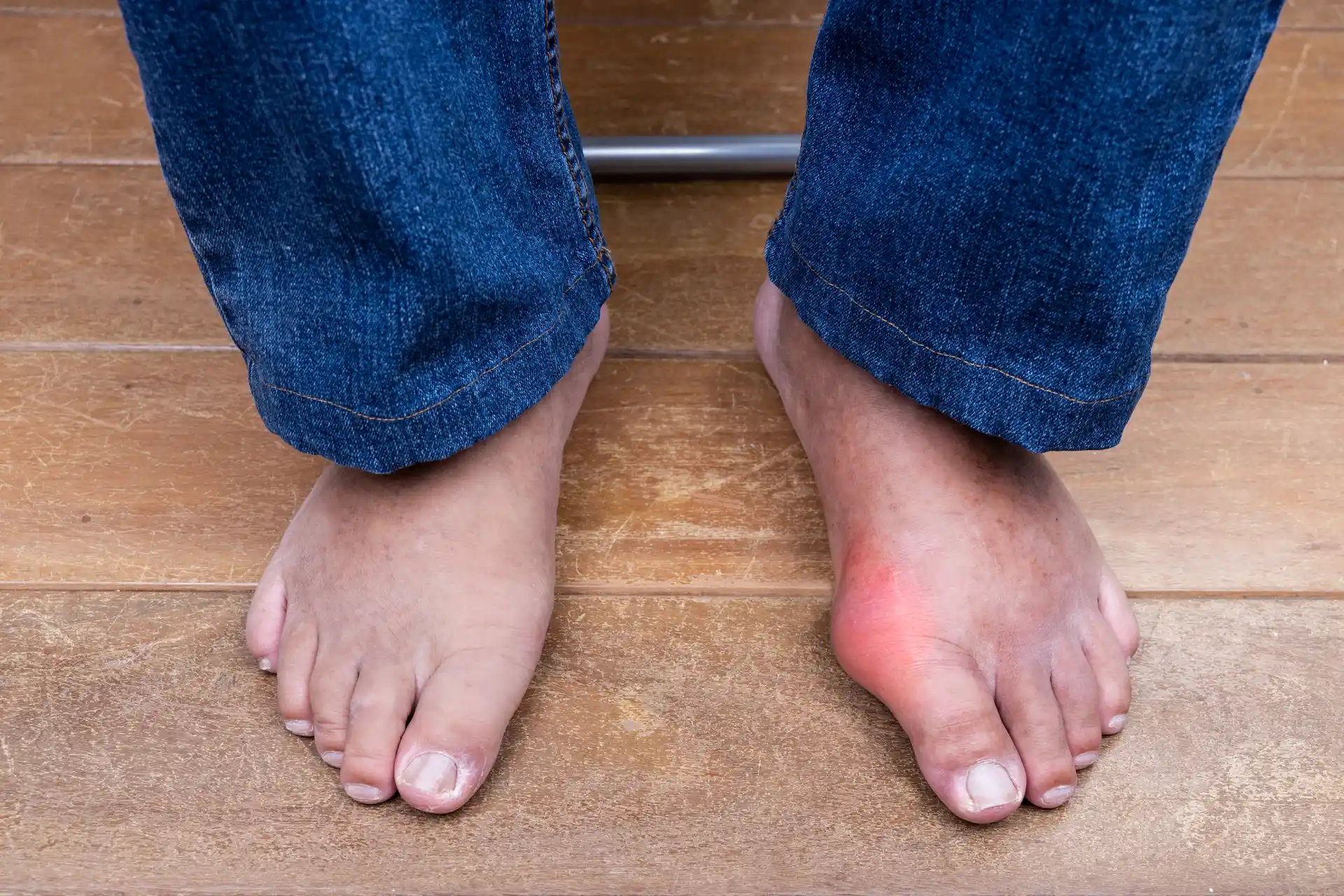
Pain, pressure or a bump near your big toe?
If you’ve noticed a bony bump forming near the base of your big toe, you may be dealing with a bunion, also known as hallux valgus. Bunions can cause pain, pressure, redness, swelling and difficulty finding comfortable shoes.
For some people, bunions develop slowly and only cause mild discomfort. For others, they can make walking, exercising or wearing everyday footwear more difficult.
Our experienced podiatrists can assess your feet, identify contributing factors and guide you through treatment options to help reduce pressure, improve comfort and support your long-term foot health.
Book an appointment today and take the first step towards more comfortable feet.
Does This Sound Familiar?
You may be dealing with a bunion if you’ve noticed:
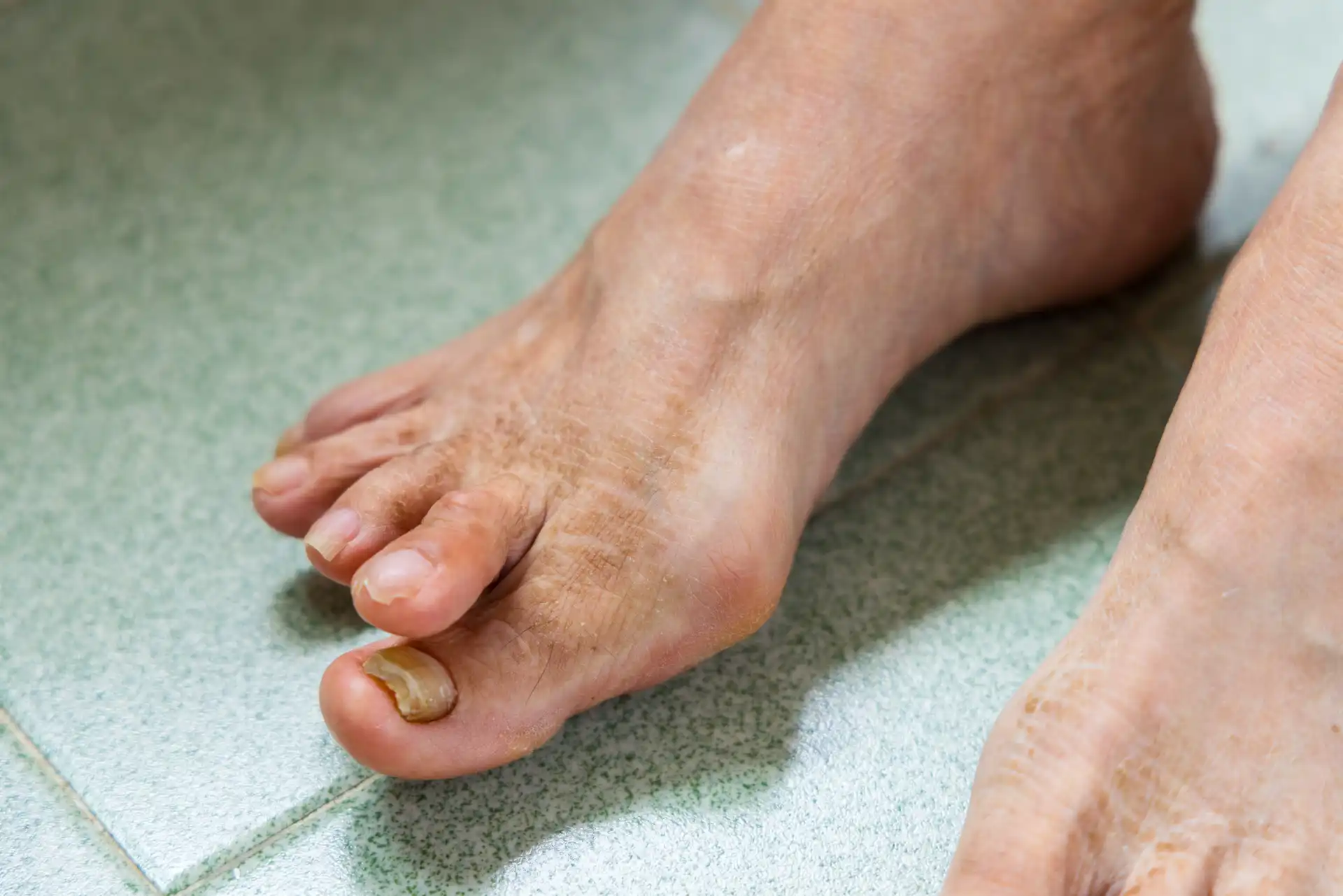
- A bony bump near the base of your big toe
- Your big toe leaning towards the second toe
- Pain, redness or swelling around the big toe joint
- Pressure or rubbing from shoes
- Corns or calluses forming near the big toe or second toe
- Difficulty finding shoes that feel comfortable
- Stiffness or reduced movement in the big toe joint
- Pain that becomes worse after standing or walking
- Changes in the shape or position of your toes over time
Not every painful big toe joint is caused by a bunion, which is why an accurate podiatry assessment is the best place to start.
What Is a Bunion?
A bunion is a change in the alignment of the big toe joint. As the big toe gradually moves towards the second toe, the joint at the base of the big toe can become more prominent, creating the appearance of a bony bump.
Family history and inherited foot structure are major contributors to bunion development, and bunions are more common in women. Joint mobility, walking mechanics and footwear may also play a role. Tight, narrow or high-heeled shoes do not cause every bunion, but they can increase pressure around the big toe joint and worsen symptoms.
Bunions are progressive, meaning the big toe alignment may gradually change over time. Some remain mild for years, while others become more painful or affect foot function. Early assessment can help you understand the condition and manage symptoms.
The good news is that several conservative treatment options may help reduce discomfort, improve shoe comfort and support overall foot function.
Your Treatment Journey
Assessment
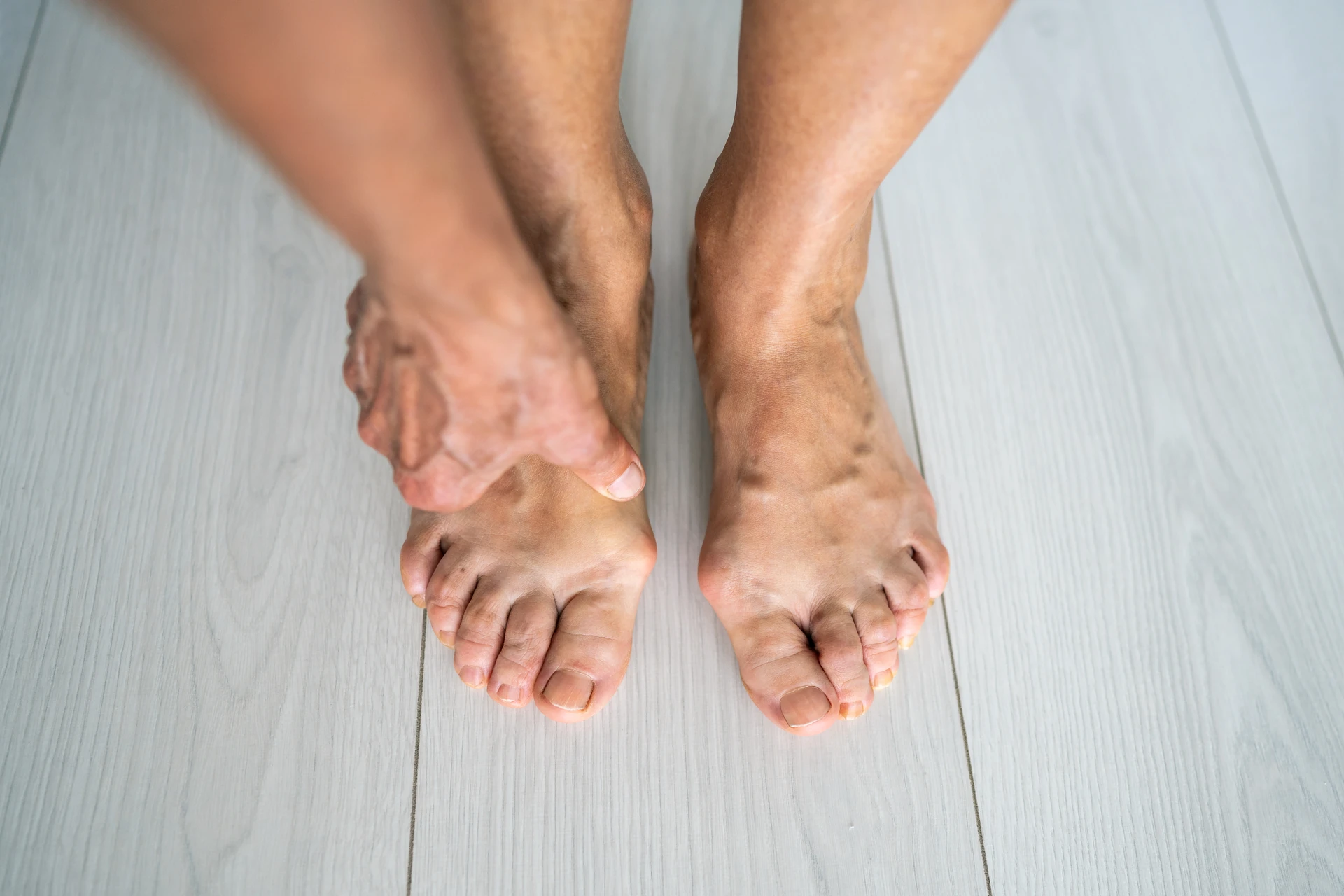
We’ll take the time to understand your symptoms, footwear, activity levels, medical history and how the bunion is affecting your daily movement.
Diagnosis
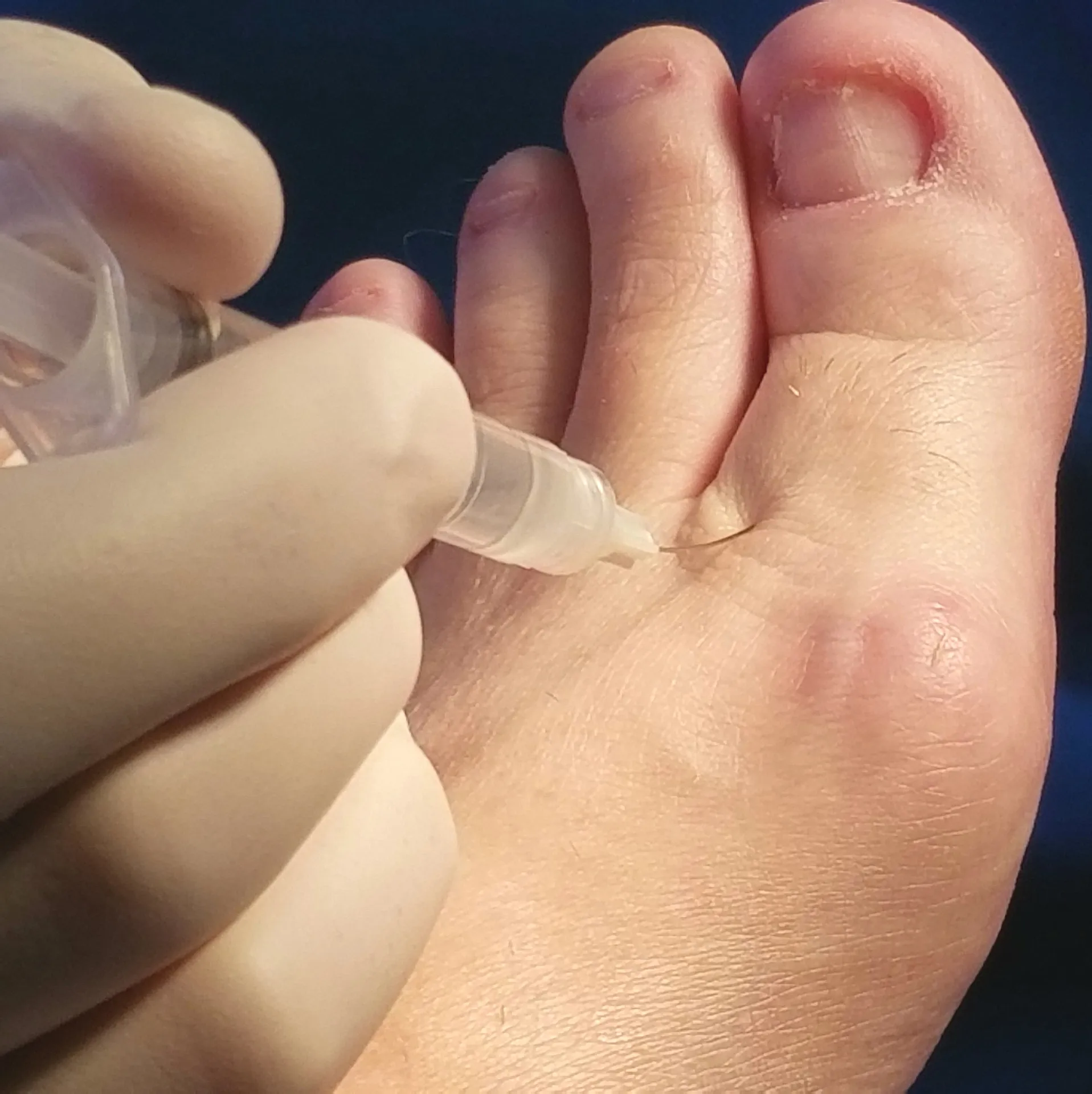
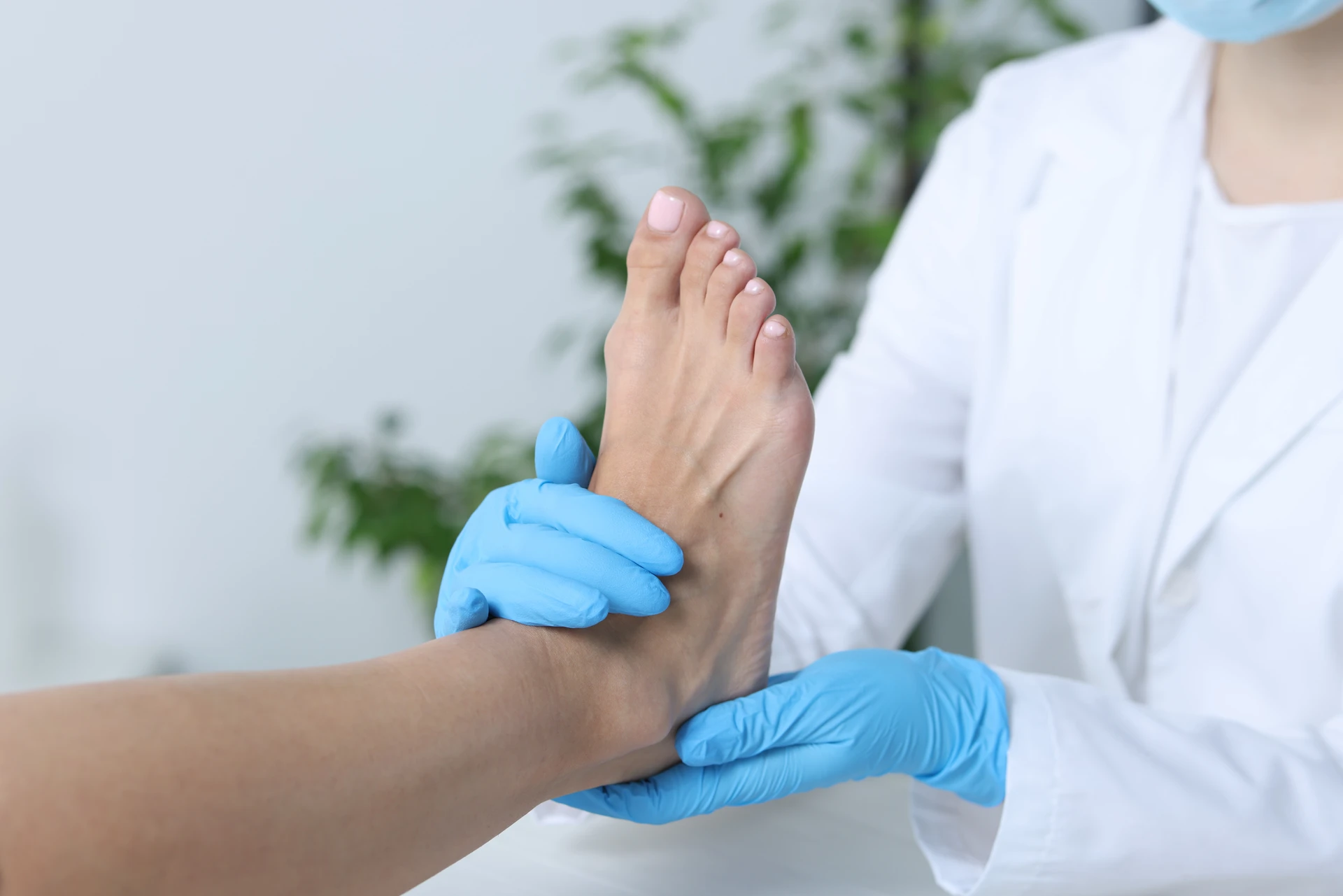
Our podiatrists will assess your big toe joint, foot posture, walking pattern, footwear fit and any pressure areas to help identify what may be contributing to your symptoms.
Treatment Plan
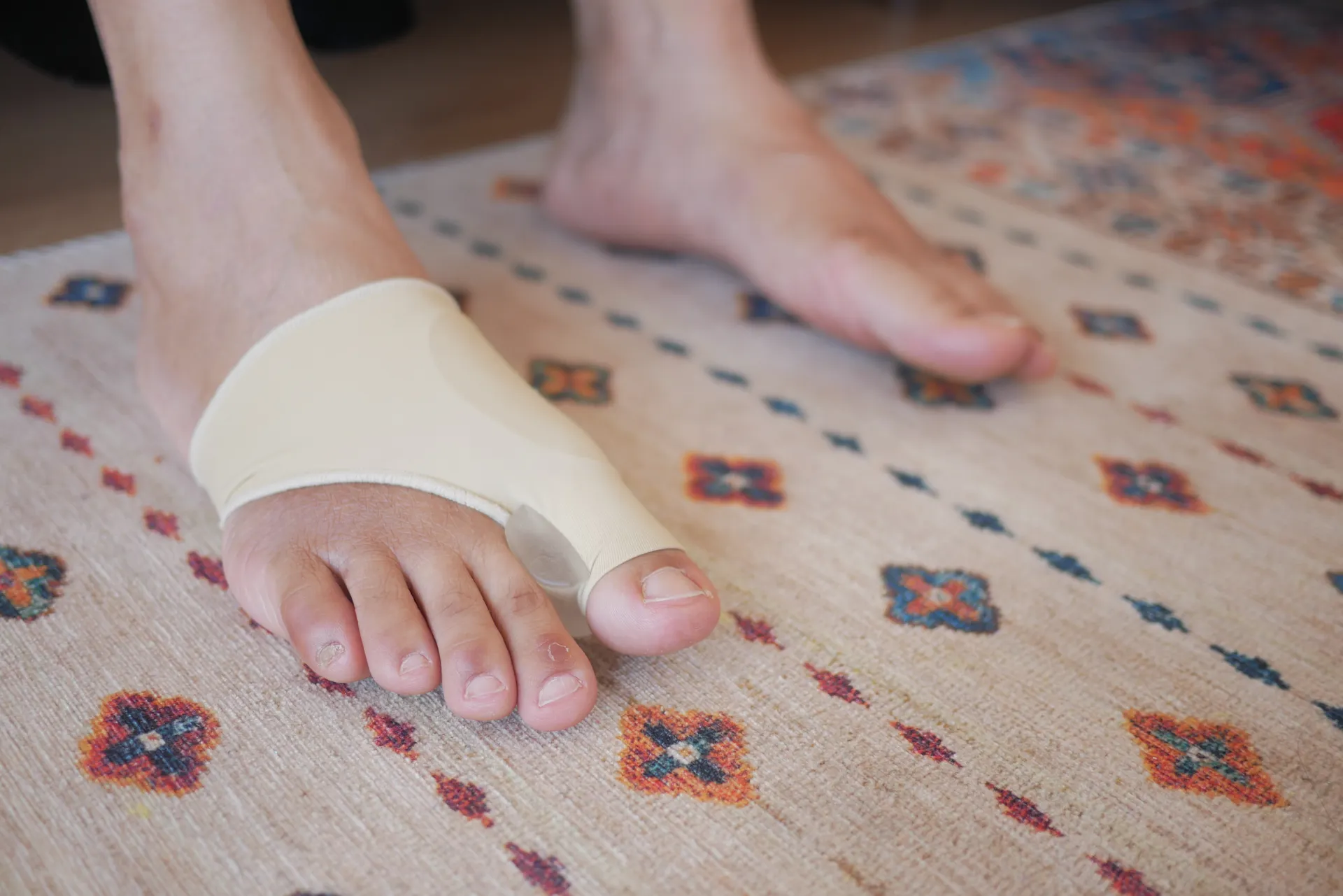
We’ll explain your treatment options clearly and recommend an approach based on your symptoms, lifestyle, footwear needs and the severity of your bunion.
Prevention Advice
You’ll receive practical advice to help reduce pressure on the bunion, support foot comfort and lower the risk of symptoms becoming worse.
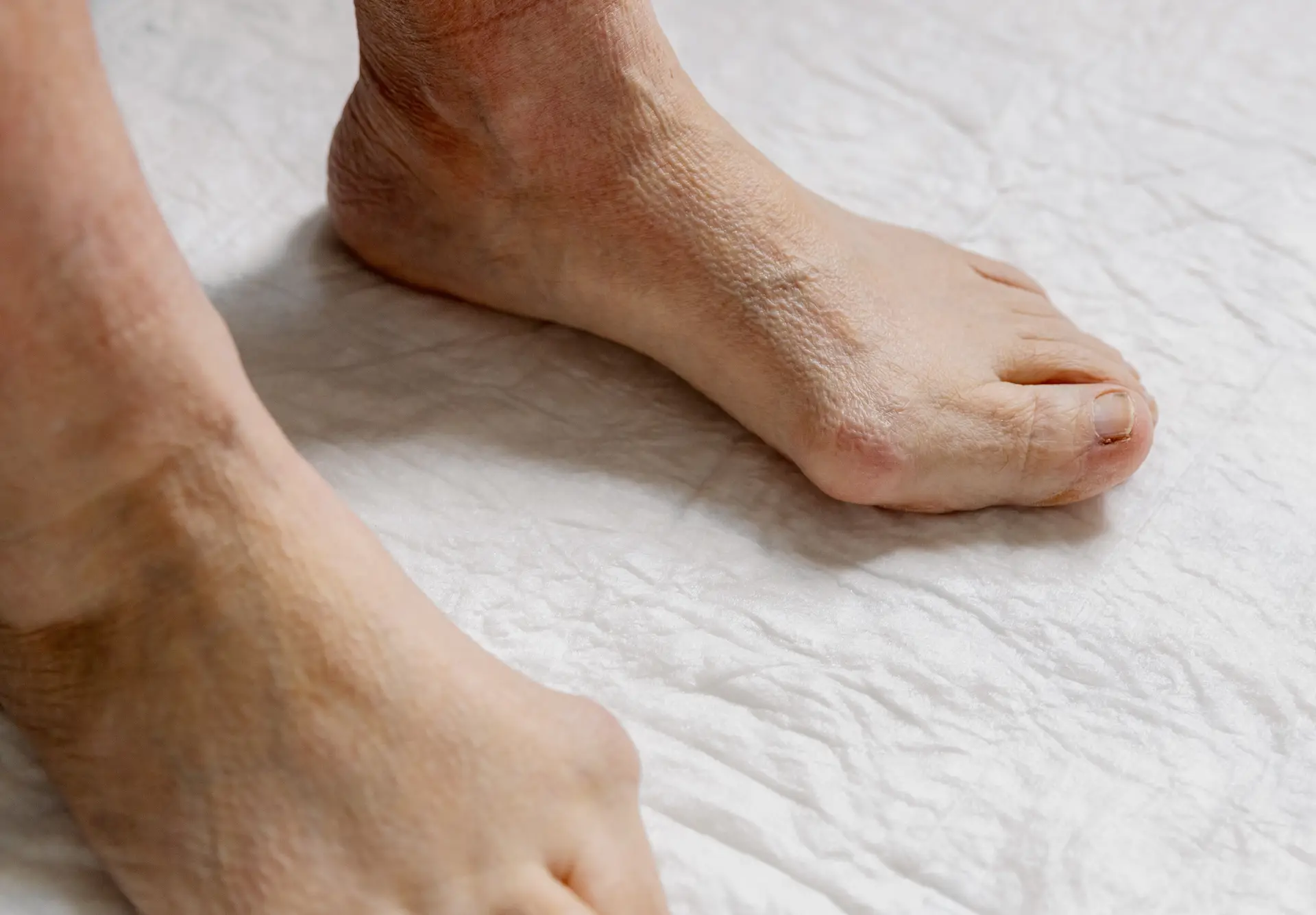
Treatment Options for Bunions
There is no one-size-fits-all approach to bunion treatment. Depending on your symptoms and circumstances, treatment may include:
- Footwear advice to reduce pressure around the big toe joint
- Recommendations for wider, deeper shoes with a more comfortable toe box
- Bunion pads or cushioning to reduce rubbing and irritation
- Toe spacers where appropriate to improve comfort between the toes
- Custom orthotic devices where foot mechanics are contributing to pressure
- Exercises and stretches to support joint mobility and foot strength
- Taping or strapping for short-term support
- Advice on managing corns, calluses or skin irritation caused by pressure
- Ongoing monitoring if the bunion is changing over time
- Referral for imaging or surgical opinion if symptoms are severe or not improving with conservative care
Our goal is to recommend the most appropriate and practical solution for you, while helping you manage discomfort, reduce pressure and stay as active as possible.
Why Choose Port Stephens Podiatry?
We understand that bunions can be frustrating, especially when they make it difficult to find comfortable shoes or enjoy normal daily activities. Our team provides a welcoming, professional and supportive environment where your concerns are listened to carefully.
Every patient receives:
- A thorough assessment
- Clear explanations and practical advice
- Personalised treatment recommendations
- Footwear and pressure-relief guidance
- Ongoing support throughout their treatment journey
We're here to help you understand what may be causing your bunion pain and guide you towards a treatment plan that suits your needs.
Trusted Local Podiatry Care
Our team provides podiatry services to patients throughout Port Stephens, including:
- Nelson Bay
- Salmander Bay
- Shoal Bay
- Corlette
- Anna Bay
- Fingal Bay
We are committed to providing evidence-based podiatry care, practical treatment recommendations and personalised support to help our patients achieve the best possible outcomes.
- Qualified Podiatrists
- Experienced Team
- Evidence-Based Care
- Treatment Plans
Frequently Asked Questions
What are the signs of a bunion?
Common signs include a bony bump near the base of the big toe, the big toe leaning towards the second toe, redness, swelling, pain in shoes, corns, calluses and stiffness around the big toe joint.
What causes bunions?
Family history and inherited foot structure are major contributors, and bunions are more common in women. Joint mobility, walking mechanics and footwear may also play a role. Tight or narrow shoes can increase pressure around the big toe joint and worsen symptoms.
Can bunions go away without surgery?
Conservative treatment can help reduce pain, pressure and irritation, but it cannot remove or permanently correct the bunion itself. Surgery may be considered in more severe cases, especially when pain or deformity continues despite conservative care.
Can orthotics help with bunion pain?
Orthotics are often a key part of conservative bunion management when foot posture or walking mechanics increase stress around the big toe joint. They may improve gait efficiency and reduce excessive movement and pressure, helping manage symptoms and the mechanical stresses that can contribute to progression. Your podiatrist will recommend them when appropriate.
What shoes are best for bunions?
Structured, supportive footwear with a wide, deep toe box, a stable midsole and a low heel is often best. Overly soft or highly cushioned soles may feel unstable or allow excessive movement. Tight, narrow or pointed shoes can increase rubbing and pressure.
Are toe spacers useful for bunions?
Toe spacers may reduce pressure, relax tight soft tissues and improve comfort. When combined with foot exercises, they may also support the small intrinsic muscles of the foot. They do not permanently correct a bunion but may form part of conservative treatment.
When should I see a podiatrist for a bunion?
Because bunions are progressive, it is best to see a podiatrist as soon as you notice a bump or change in your big toe position, even before significant pain develops. Seek assessment if it is painful, changing shape, affecting footwear, causing corns or calluses, or making daily activities uncomfortable.
Patient Reviews
“Professional, caring and thorough. The team explained everything clearly and helped me understand my treatment options.“
“Friendly staff and excellent care. I felt comfortable from my first appointment.“
“I highly recommend it. The team took the time to listen, explain everything clearly and put together a treatment plan that worked for me.“
Ready to Feel More Comfortable on Your Feet?
If bunion pain is making it harder to walk, wear shoes comfortably or enjoy your normal routine, our team is here to help. We’ll assess what’s happening, explain your options clearly and work with you to find the most appropriate treatment plan.
Book an appointment today and let us help you take the first step towards more comfortable feet.